

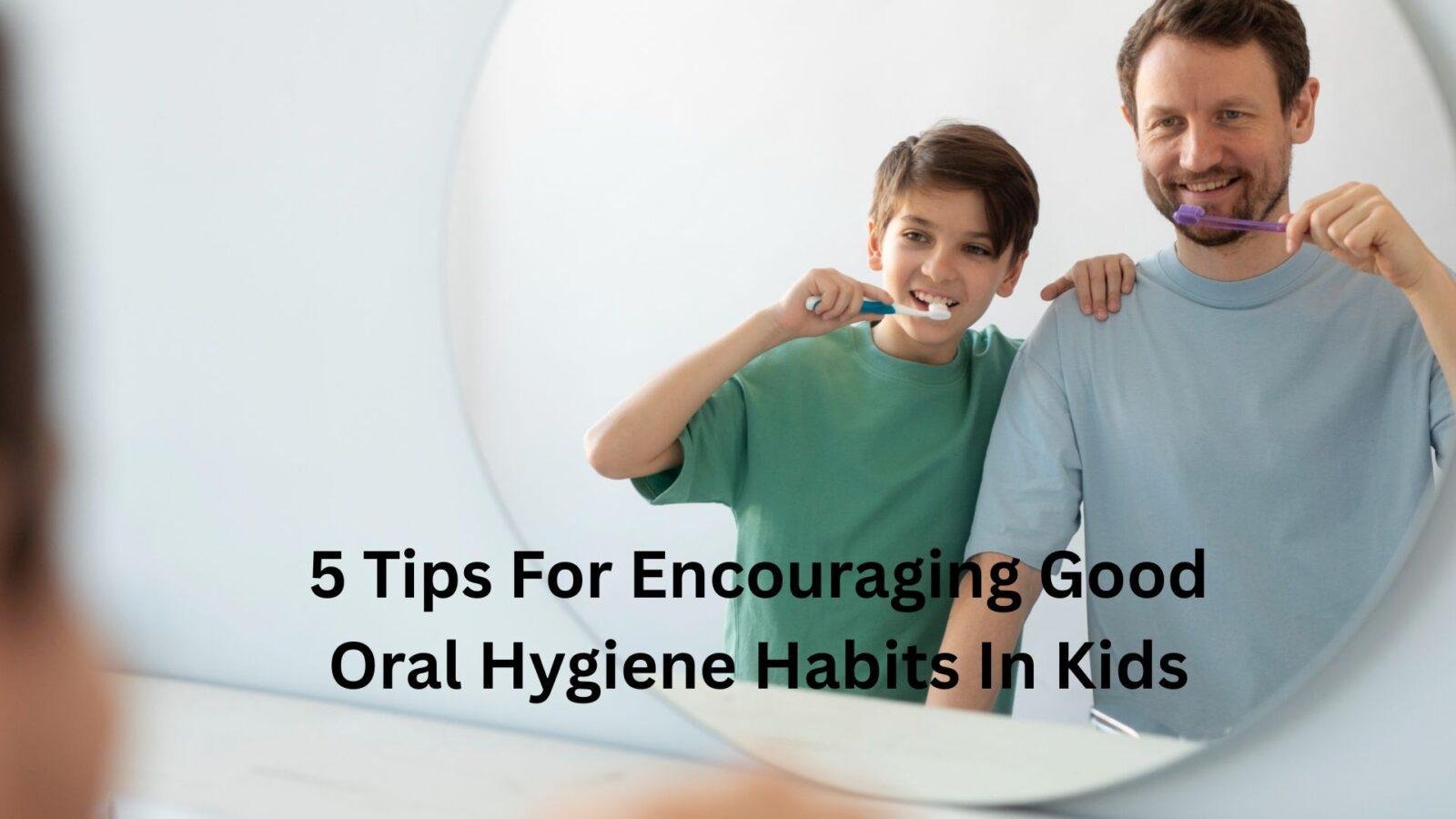
Healthy teeth help your child eat, sleep, and learn without pain. Good habits start early. You set the tone. When you show that brushing and flossing matter, your child learns that a clean mouth is normal, not special. Many parents feel tired, rushed, or unsure about what really works. You might wonder how often to brush, when to start flossing, or when to see a pediatric dentist in Killeen, TX. You might also fight daily battles over toothbrush time. That stress is common. This guide gives you five clear steps you can use today. You will learn how to make brushing simple, how to turn routines into habits, and how to handle pushback without yelling or bribes. Each tip is short, direct, and backed by dental science so you can protect your child’s smile with confidence.
1. Make a Simple Routine and Stick With It
Kids need clear steps. A set routine removes guesswork and fights.
Follow these three basics:
- Brush two times each day for two minutes.
- Use a pea-sized smear of fluoride toothpaste after age three.
- Start flossing once teeth touch.
The American Dental Association explains that fluoride helps prevent cavities and keeps enamel strong.
Post a simple chart on the bathroom wall. Use clear steps such as:
- Step 1. Wet brush.
- Step 2. Add toothpaste.
- Step 3. Brush top teeth.
- Step 4. Brush the bottom teeth.
- Step 5. Spit and rinse.
Keep the same order every day. The brain relaxes when it knows what comes next.
2. Turn Brushing Into a Short Game
Power struggles wear you down. A short game shifts the mood.
Use three playful ideas:
- Use a two-minute song. Stop when the song ends.
- Let your child “brush the sugar bugs” from a stuffed toy first.
- Take turns. You brush for one minute. Your child brushes for one minute.
Keep the game quick. You are not putting on a show. You are using play to get through a hard task.
Set firm limits. You can say, “We brush teeth before books every night.” You can also say, “If we do not brush, we do not have time for a story.” Then follow through without anger. Clear rules feel safer than loose rules.
3. Give Kids Real Choices, Not Control
Kids want power. You can respect that without giving up your role.
You can offer choices about:
- Toothbrush color.
- Toothpaste flavor.
- Whether to brush before or after putting on pajamas.
You still control the non-negotiable parts. Teeth will be brushed. Floss will be used. Water will be the main drink between meals.
Use short scripts that show calm strength.
- “You choose the brush. I will help with the back teeth.”
- “You can hop, or you can walk to the sink. You still need to brush.”
- “You do the front. Then I will check for any spots you missed.”
Children learn that your “yes” means yes and your “no” means no. That clear line reduces fights over time.
4. Use Charts and Rewards That Teach, Not Bribe
Rewards can help when they teach cause and effect. They cause trouble when they turn into bargaining.
Use a simple chart. Put it where your child can see it.
Sample Weekly Brushing Chart
| Day | Morning Brush | Night Brush | Floss |
|---|---|---|---|
| Monday | Sticker | Sticker | Check mark |
| Tuesday | Sticker | Sticker | Check mark |
| Wednesday | Sticker | Sticker | Check mark |
| Thursday | Sticker | Sticker | Check mark |
| Friday | Sticker | Sticker | Check mark |
| Saturday | Sticker | Sticker | Check mark |
| Sunday | Sticker | Sticker | Check mark |
Set three clear rules for rewards.
- Keep rewards small. Use extra story time, a dance party, or a trip to the park.
- Reward effort, not perfection. A missed brush does not erase all progress.
- Do not offer candy or soda as a prize.
The Centers for Disease Control and Prevention shows that tooth decay is one of the most common chronic conditions in children.
5. Change Snacks and Drinks to Protect Teeth
Brushing cannot fix a steady stream of sugar. Food and drink choices matter.
Focus on three changes.
- Serve water between meals. Save milk and 100 percent juice for meals.
- Limit sticky snacks like gummies, fruit snacks, and chewy bars.
- Offer cheese, nuts, fresh fruit, and cut vegetables more often.
Use this comparison to guide daily choices.
Snack and Drink Impact on Teeth
| Choice | Effect on Teeth | Simple Swap |
|---|---|---|
| Soda or sports drinks | High sugar. Acid weakens enamel. | Cold water with ice or sliced fruit. |
| Fruit snacks or gummy candy | Sticky. Sugar stays on teeth longer. | Fresh fruit like apple slices. |
| Crackers and chips all day | Starch turns into sugar in the mouth. | Set snack times with cheese and nuts. |
| Juice in a bottle or sippy cup | Baths teeth in sugar for long periods. | Open cup at meals. Water between. |
You do not need a perfect diet. You need fewer sugar hits across the day.
When to See a Dentist and What to Expect
Regular visits catch small problems before they turn into pain.
Most experts suggest the first visit by age one or within six months of the first tooth. After that, most children need a checkup every six months. Some children need visits more often.
At a routine visit, you can expect three things.
- Cleaning to remove plaque and tartar.
- Check for cavities or early signs of trouble.
- Guidance on brushing, flossing, and fluoride for your child.
Use each visit to ask your toughest questions. Bring a list. Leave with clear next steps.
Putting It All Together
You cannot control every snack or every brush. You can set a firm routine. You can keep the mood steady. You can choose water more often.
Start with one change this week. Add a second change next week. Small steps, done every day, protect your child from pain and fear. Those habits follow your child into adult life.