

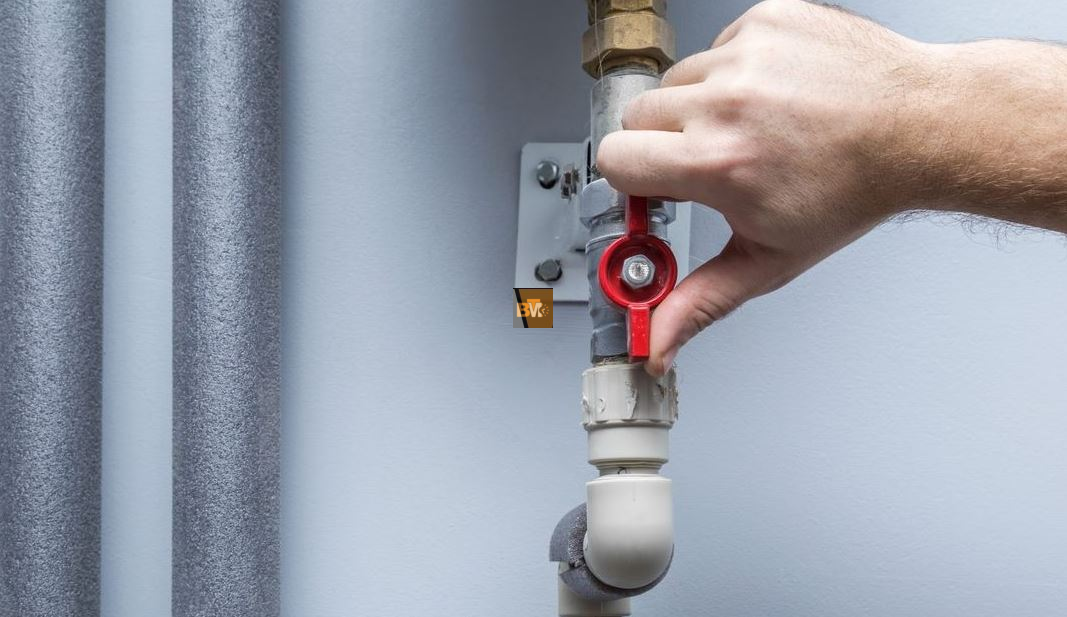
Shut-off valves are some of the most important parts of various industrials’ fluid with the principal function of enabling the stoppage or control of the flow of fluids that include liquids and the gasses. These valves are very important as they contribute to safety, performance and regulation in a variety of operations in manufacturing industries. This guide will focus on the different types of shut-off valves, their applications as well as consider the factors that the B2B ought to consider while acquiring the shut-off valves. Being free from direct sales promotion pressure, this article aims at giving you some valuable pieces of information in procurement.
What Is a Shut-Off Valve
A shut-off valve or isolation valve, is a valve used in controlling the flow of a fluid or gas in a pipeline. Operators employ these types of valves to commence or cease the flow, or to modulate the flow during any specific system conditions as called for by the system demands. These valves are very essential in any system and enable parts of a pipeline to be shut from the rest for regular checkups, repairs or in case of an acute accident. It is mostly used by companies in the oil and gas, chemical, water treatment plants, and HVAC systems industries.
Types of Shut-Off Valves
Various types of shut off valves are in the market and each of them is designed for a particular value of flow. Here are some of the most common types:
– Gate Valve: Being among the least restricting movements in a pipe, gate valves use a sliding gate to shut down the flow. Such valves are best suited for those applications that require the valve to be fully open or fully shut, and such valves are widely used for water supply systems.
– Ball Valve: Using a spherical disk, ball valves are easy to turn and give excellent sealing properties. Some are resilient and others can withstand pressure making them so special for many uses in industries.
– Butterfly Valve: Butterfly valves are compact in construction due to the presence of a rotating disc other than flow control. These valves are usually applied in the places where a fast stop and acceptable pressure control is required.
– Globe Valve: Specially for delicate flow control, globe valves provide closure or opening in line in a linear manner. These are suitable for applications where precise control of the flow rate is paramount, for example in chemical manufacturing Industries.
– Diaphragm Valve: These valves have an internal flexible diaphragm to control the flow path allowing the valves to be used in applications where contamination issues have to be alleviated such as in the food and pharmaceutical industries.
Factors to Consider in Selecting a Shut-off Valve
Choosing the appropriate shut- off valve depends on the valvemanent application. Here are several important factors to keep in mind:
– Application Requirements: Determine if the valve will come in contact with liquids, gasses, or abrasive material. It is unique to know that there exist some specific media that various valves are designed to serve best.
– Pressure and Temperature Ratings: Always select a valve that will be capable of handling the maximum pressures and highest temperature of the system in question. For instance, ball and gate valves work better at high pressure than does a butterfly valve.
– Flow Control Needs: If strict control of a fluid’s flow is needed, choose a globe or diaphragm valve. In circumstances where an application only has to open fully or close completely a baenis or gate valve may do the job.
– Material Compatibility: Make sure that the type of valve works well with the fluid or the gas in your system. Stainless steel is used for corrosive areas and brass is used for water service.
– Installation Constraints: Find out the installation space that is available in the identified area. Thus butterfly and diaphragm are relatively smaller in size than the gate and the globe valves may occupy more space.
For more information on shut-off valve options, you can visit Dombor’s official product page https://www.dombor.com/de/product-category/globe-valves/
Frequently Used Types of Shut-Off Valves
Power-off valves are applied in various industries to realize secure and effective flow regulation. Here are some common applications:
– Oil and Gas: The valves are an important component in the oil and gas pipeline systems because they provide for the ability to shut parts of the line in the event of an emergency or otherwise.
– Water Treatment: WaterSV vehicle shut-off valves are used in water treatment plants, and they are used to control traffic on sections of the system in order to turn off water in case of maintenance or emergencies.
– HVAC Systems: HvAc systems using refrigerant or evaporative water, use shut off valves to control flow and in this way support the systems.
– Chemical Processing: Chemical processing plants contain a host of fluids and gasses besides dealing with sometimes corrosive chemicals; this means that there is always a need for dependable shut-off valves.
– Manufacturing: In the food processing industry, in the manufacture of drugs and chemicals, in brewing and in the preparation of beverages, shut-off valves are employed to regulate and measure the flow of fluids while maintaining purity and sterility.
Maintenance and Troubleshooting
Shut-off valves must also be routinely maintained to avoid various problems such as leakage, so that safe and efficient service will be possible for a long time. Below are some maintenance tips and common troubleshooting techniques:
Regular piping inspection ensures that process valves and flow control systems remain in optimal condition, further enhancing safety and operational efficiency.
– Routine Inspections: Carry out periodic checks with a view of establishing whether the pipelines are corroded, have worn out or are leaking. They assist to identify complications that might lead to system breakdowns before they occur.
– Cleaning and Lubrication: The operation of some valves like ball and gate should be lubricated frequently to avoid sticking and improve on their performance. Moreover, removal of debris by cleaning is essential in systems which operate with dirty or abrasive fluids.
– Leak Testing: Check for leakages and especially so right after installation or servicing. They may signify improper contact of surfaces, a broken ring, or some wear on the faces of the valve.
– Replacing Worn Components: In the course of service delivery, some parts of this equipment may get worn out or damaged; therefore, such parts should be replaced as required. For instance, balls in ball valves and discs in gate valves are wearing parts that over some period may call for replacement.
– Calibration: Hand-on utilizations require frequent calibration so that shut-off valves remain functional, especially in processes requiring high-quality flow control, such as chemical industries.
Shut-off valves are used widely in industries for shut-off operations and control of fluid in several applications. In the light of categorizing shut-off valves, selecting accordingly and sufficing the necessities, and the value of maintenance, the B2B buyers do facilitate their purchasing decisions by getting an enhanced durability and efficiency of their operating systems. The shut-off valves are the essential tools for operation, and its selection depends on the pipeline or plants under construction which might be Oil and gas pipelines, HVAC systems, or chemical processing plants.