

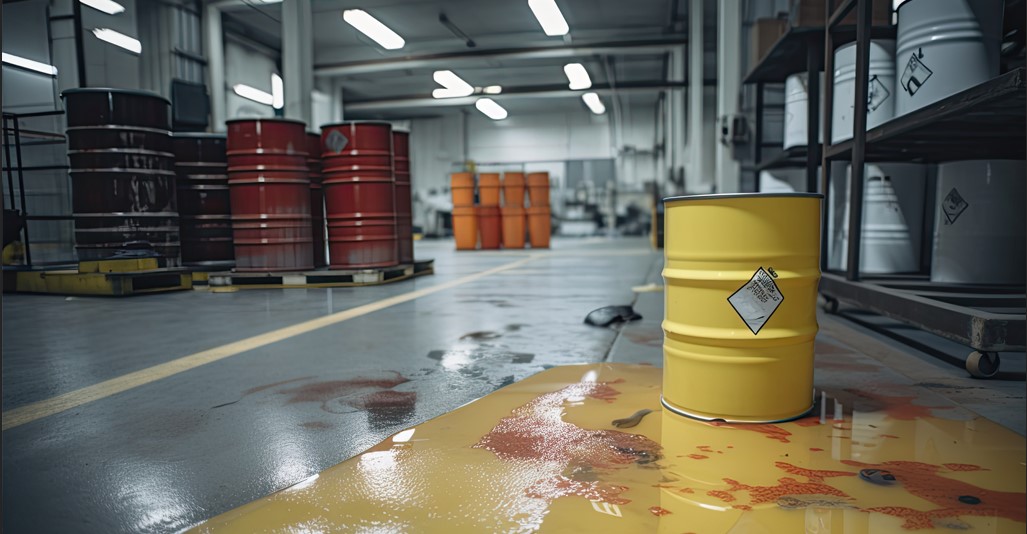
Spill management is a critical aspect of workplace safety and environmental protection. It is an area that demands attention and stringent measures to prevent any negative implications. This includes selecting the right equipment to manage any potential spills, notably the correct spill pallet. Establishing a robust procedure using reliable spill containment solutions contributes to a safer working environment and ensures compliance with environmental regulations.
Understanding Spill Pallets
A spill pallet is a containment device designed to hold containers of liquids, most often hazardous substances, to prevent any leakage from spilling onto the floor or ground. Spill pallets are an essential component in the storage and handling of containers that hold oils, chemicals, and other potentially dangerous liquids. These pallets play a crucial role in preventing environmental contamination and maintaining workplace safety.
The Importance of Spill Pallets in Industries
Various industries, ranging from manufacturing to pharmaceuticals, deal with substances that could be hazardous if they leak or spill. Having effective spill management practices, including the use of spill pallets, is necessary to minimise the risk of spillage and its subsequent hazards. These pallets not only safeguard the workforce from exposure to harmful chemicals but also help companies avoid hefty fines and the cost associated with cleanup efforts.
Factors to Consider When Choosing Spill Pallets
Not all spill pallets are made equal, and there are a number of factors to consider when choosing the right one for your facility. It is crucial to ponder the weight capacity, compatibility with stored chemicals, durability, and compliance with regulations when selecting a spill pallet that suits your needs.
Capacity and Compatibility
When looking at spill pallets, it is essential to choose one that can handle the weight and volume of the containers stored. They must be capable of supporting the load without any risk of structural failure. Additionally, the material of the spill pallet should be compatible with the chemicals it is intended to contain, thereby eliminating any risk of degradation or reaction.
Durability and Maintenance
Durability is another vital consideration. Spill pallets should withstand the rigors of an industrial environment, including exposure to a wide range of temperatures and potential impacts. They should also be easy to maintain and clean, as a poorly maintained spill pallet could lead to hidden leaks and undetected spills.
Regulatory Compliance
Complying with health and safety regulations as well as environmental laws is a non-negotiable aspect of choosing the right spill pallet. The pallet must meet or exceed all the statutory requirements for spill containment in your region. This will not only protect your company from legal issues but also ensure the health and safety of your staff and the integrity of the ecosystem.
Spill Pallet Types
There are several types of spill pallets available, each designed to suit different requirements. These range from modular pallets that can be configured to fit various spaces, to outdoor spill pallets that are robust enough to withstand the elements, and portable spill pallets that can be moved with the containers they hold. Understanding where and how the spill pallets will be used is key to making the right choice.
The Role of Spill Pallets in Spill Response Plans
Spill pallets are an integral part of a comprehensive spill response plan. They need to be strategically positioned for easy accessibility in the event of a spill. The integration of spill pallets into such plans helps expedite the containment process, reduces the risk of spreading, and minimises environmental impact.
Training and Awareness
While having the right spill pallet is important, it is equally essential to provide proper training for staff members who might need to use them. Awareness regarding the operation of spill pallets and the actions to take in the event of a spill should be an ongoing effort within a facility to maintain safety and compliance at all times.
Regular Inspection and Testing
Regular inspection and testing of spill pallets ensure they remain in good condition and function correctly when needed. This practice also helps identify any wear and tear that could compromise the integrity of the spill containment system over time. Preventative maintenance is vital to avoid any potential failures that could result in an uncontained spill.
A Responsible Investment
Investing in high-quality spill pallets is a responsible decision that underscores a commitment to safety and environmental protection. It not only underpins the well-being of employees and the community but also aligns with corporate responsibility towards preserving natural resources.
Conclusion
Choosing the right spill pallet for your facility is a critical decision that has far-reaching implications for safety, environmental sustainability, and regulatory compliance. It requires careful consideration of factors such as capacity, compatibility, and durability, as well as a sound understanding of the regulations that govern spill containment in your industry. By taking an informed approach to the selection of a proper spill pallet, organisations can significantly reduce the risks associated with handling hazardous liquids, and contribute towards a safer, cleaner working environment.
Remember that spill management is not just about equipment, but also about preparation and response. As such, integrating your spill containment solutions, like spill pallets, with comprehensive training and spill response plans ensures readiness and resilience against potential spill-related incidents.
