

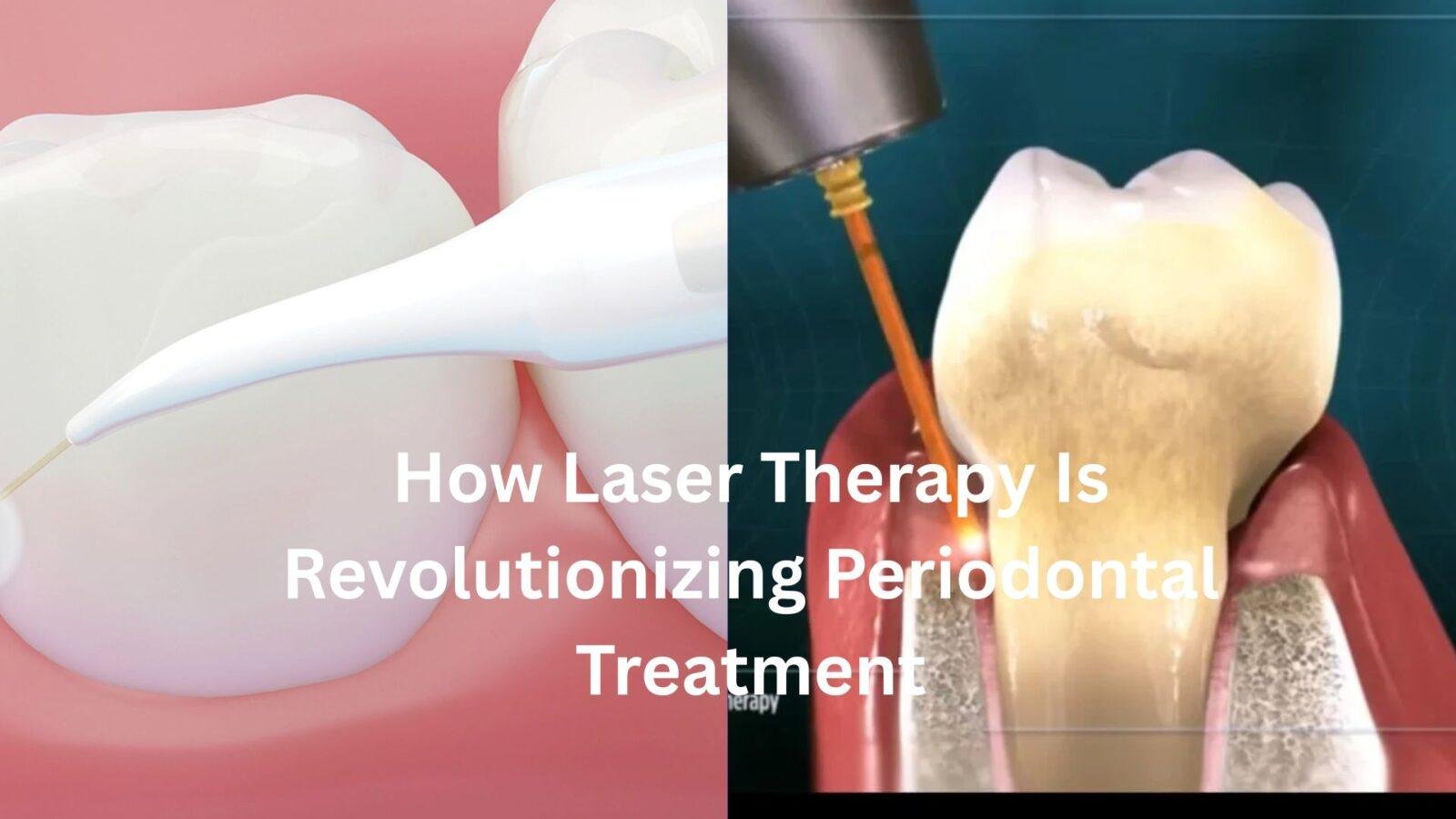
Gum disease can feel frightening. You may worry about pain, long visits, and slow healing. Today, treatment looks very different. Laser therapy changes how your gums are treated and how you recover. It uses focused light to remove infected tissue and bacteria with less cutting and less bleeding. That means less swelling, less fear, and a faster return to your normal life. Traditional tools often scrape and cut. In contrast, lasers target only the diseased spots and protect healthy tissue. You stay more comfortable during treatment. You also face fewer problems after. If you live with sore, bleeding gums or loose teeth, you do not need to wait. A periodontist in Albuquerque, NM can use laser therapy to clean deep pockets and help your gums reattach to your teeth. You gain stronger support, fresher breath, and a chance to keep your natural smile.
What Gum Disease Does To Your Mouth
Gum disease starts with plaque. This sticky film holds bacteria that irritate your gums. Over time, your gums pull away from your teeth. Pockets form. Infection grows. Bone can break down. Teeth can loosen and fall out.
The Centers for Disease Control and Prevention explains that almost half of adults 30 and older have some form of gum disease. You are not alone.
Common signs include three things. Your gums bleed when you brush. Your breath smells bad even after cleaning. Your teeth feel loose or look longer.
How Laser Therapy Works On Infected Gums
Laser therapy uses a narrow beam of light. This light heats and removes infected gum tissue. It also kills bacteria inside the pocket. Your periodontist then cleans the root surface and smooths it to help your gum heal and reattach.
The process usually follows three steps. First, your provider maps the pockets and measures their depth. Next, the laser removes diseased tissue and reduces bacteria. Then, hand tools or ultrasonic tips clean the roots. In some cases, the laser is used again to help seal the pocket.
You stay awake during the visit. You receive numbing in the treated spots. Many people feel pressure but not sharp pain.
Laser Therapy Compared To Traditional Surgery
Traditional gum surgery often needs cutting with a scalpel and stitching. Recovery can feel rough. Laser therapy changes that pattern for many people with moderate to severe gum disease.
| Feature | Traditional Gum Surgery | Laser Gum Therapy |
|---|---|---|
| Cutting and stitches | Common use of incisions and stitches | Little to no cutting or stitches |
| Bleeding | Often more bleeding during treatment | Less bleeding because the laser seals tissue |
| Pain during healing | Higher soreness and tenderness | Less soreness for many patients |
| Time in the chair | Longer visits for each section | Shorter visits in many cases |
| Return to routine | Slower return to normal eating | Faster return to normal eating |
| Tissue impact | Removes more healthy tissue around the pocket | Targets diseased tissue and protects healthy gum |
Every month is different. Some people still need traditional surgery for serious damage. Yet many benefit from laser therapy alone or in combination with other methods.
Benefits You May Notice With Laser Gum Treatment
Laser therapy offers three clear gains for most patients.
- Less pain. The laser is precise. It spares more healthy tissue. Your body has less to heal, so you feel less soreness.
- Less fear. Many people who avoid care due to anxiety about cutting feel calmer with a light-based method.
- Less time away from life. With less swelling and bleeding, you can return to work, school, and family duties sooner.
Other benefits can include reduced need for pain medicine, smaller risk of infection, and better long-term gum attachment if you keep up home care.
What To Expect Before, During, And After Treatment
Before treatment, your periodontist reviews your health history, checks your gums, and may order X-rays. You talk about your goals and any fears. You also learn what the laser can and cannot do for your case.
During treatment, you receive numbing. You may hear clicking or soft beeps from the machine. You may feel warmth in the gums. You breathe on your own and can signal if you need a pause.
After treatment, you may see slight oozing and mild swelling. Your provider gives clear instructions. These usually cover three things. What to eat and drink, how to clean the treated spots, and which signs mean you should call the office.
The National Institute of Dental and Craniofacial Research explains simple daily steps to protect your mouth. These include brushing twice a day, cleaning between teeth, and seeing a dentist on a regular schedule.
Who May Be A Good Candidate For Laser Therapy
Laser gum treatment often helps three groups.
- Adults with moderate to severe gum pockets who want to avoid cutting when possible
- People with medical conditions that make bleeding or long healing more risky
- Patients who had traditional surgery before and now face new gum pockets
Your periodontist checks pocket depth, bone levels, and general health. You talk about medicines, smoking, and any history of delayed healing. Together, you decide if laser therapy fits your needs.
How To Protect Your Results After Laser Treatment
Laser therapy gives your gums a fresh start. Your daily habits decide how long that fresh start lasts.
Three steps matter most.
- Brush two times each day with a soft brush. Angle the bristles toward the gumline.
- Clean between teeth every day with floss or another tool your provider suggests.
- Keep every follow-up visit. Your periodontist can clean deep spots you cannot reach and track healing.
You can also protect your gums if you stop smoking, eat less sugar, and manage health conditions such as diabetes with help from your medical team.
Taking The Next Step
Gum disease does not heal on its own. It grows in silence. It steals teeth and comfort. Laser therapy offers a cleaner, calmer way to fight back.
If you feel pain when you chew, see blood in the sink, or hide your smile, talk with a periodontist about laser options. Ask clear questions. How deep are your pockets? Which teeth can be saved? What results should you expect?
You deserve a mouth that feels steady and clean. With informed choices and steady care, gum health is possible at any age.
