

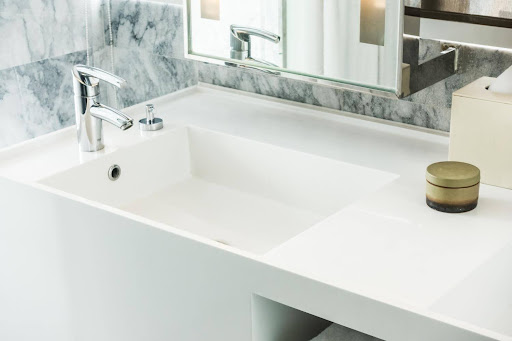
Ready-made modular bathrooms are revolutionizing the construction industry, offering a swift, economical, and top-tier alternative to traditional building methods. These prefabricated units streamline the building process, cutting down on labor expenses and installation time while upholding exceptional craftsmanship. Perfect for hotels, hospitals, and residential projects, modular bathrooms guarantee consistency, durability, and a commitment to sustainability. Let’s explore how this ingenious solution boosts efficiency and simplifies the challenges of modern construction.
How Do Ready-Made Modular Bathrooms Speed Up Project Timelines and Cut Costs?
Ready-made modular bathrooms significantly accelerate project completion by eliminating on-site construction delays typically associated with traditional bathroom installations. These units are pre-assembled in a controlled factory environment and arrive on-site fully equipped with plumbing, electrical wiring, fixtures, and finishes. This minimizes the need for additional labor. Since the units are manufactured off-site concurrently with other construction activities, installation becomes a streamlined process, often reducing project timelines by several weeks.
This accelerated approach leads to substantial cost savings, thanks to reduced labor hours, minimized material waste, and fewer on-site disruptions. According to a report by McKinsey, modular construction can reduce project timelines by 20-50% (Source: McKinsey, “Modular construction: From projects to products”). Adopting prefabricated modular bathrooms also mitigates the risks of weather-related delays, ensuring greater predictability in project schedules. Because the majority of the work is completed indoors, external factors like rain or extreme temperatures have minimal impact. Developers can allocate resources more effectively, focusing on other critical aspects of the build while ensuring consistent quality standards. Integrating these prefabricated solutions allows construction firms to optimize workflows and enhance productivity without compromising design or functionality. Moreover, the reduction in material waste, often by as much as 30% compared to traditional construction, contributes to further cost efficiencies and environmental benefits.
As someone who has overseen several construction projects, I can attest to the significant time and cost savings that modular bathrooms offer. For example, on a recent hotel project, we were able to shave off nearly a month from the construction timeline by using modular bathrooms, which translated to considerable savings in labor costs. Additionally, we found that the consistent quality of the prefabricated units significantly reduced the need for rework and adjustments on-site.
How to Choose the Right Prefabricated Bathroom Solution for Your Project
When selecting a ready-made modular bathroom for your project, it’s crucial to carefully consider several key factors to ensure efficiency, cost-effectiveness, and seamless integration. Based on my experience, here’s a breakdown of what to look for:
Dimensions and Layout Compatibility
First, determine the dimensions and layout compatibility with your building design. This helps avoid costly and time-consuming structural modifications. Standardized models offer quick installation, while customizable options provide flexibility in fixtures, materials, and design. Consider how the placement of doors, windows, and other structural elements might impact the integration of the modular unit. In one instance, we had to revise our initial plans because the standard-sized modular bathroom didn’t fit through an existing doorway, highlighting the importance of precise measurements.
Plumbing and Electrical Pre-Installation
Assessing plumbing and electrical pre-installation is critical to reduce on-site labor and prevent unexpected delays. Make sure the unit’s pre-installed systems align with your building’s infrastructure. Verify that the voltage, pipe sizes, and connection points match your building’s specifications. It’s also wise to request detailed schematics of the plumbing and electrical layouts to ensure compatibility and facilitate easier integration.
Material Selection
Material selection plays a vital role in durability and maintenance. Stainless steel and composite materials are often preferred for their resistance to moisture and wear. Specifically, look for materials that are resistant to mold and mildew, which can be a common problem in bathrooms. Consider sustainability features like water-saving fixtures and energy-efficient lighting to reduce operational costs. For example, opting for low-flow toilets and LED lighting can significantly decrease water and energy consumption over the lifespan of the building.
Building Regulations and Fire Resistance
Fire resistance and compliance with local building regulations must also be verified to meet safety standards. This is non-negotiable. Ensure the modular units meet or exceed local fire safety codes, including fire-rated walls, doors, and ceilings. Obtain documentation from the supplier confirming compliance with relevant regulations and certifications.
Transport Logistics
Don’t overlook transport logistics. Prefabricated units require careful handling and site accessibility assessment to facilitate smooth delivery and placement. Conduct a site survey to identify any potential obstacles, such as narrow roadways, low-hanging power lines, or limited crane access. Coordinate with the supplier to ensure they have the necessary equipment and expertise to safely transport and install the modular units.
Supplier Collaboration and Quality Standards
Collaborating with experienced suppliers ensures that the modular bathrooms meet quality standards and arrive fully equipped for implementation. Request references from previous clients and visit the supplier’s manufacturing facility to assess their capabilities and quality control processes. Insist on rigorous testing and inspection of the modular units before they are shipped to the construction site.
Warranty and After-Sales Support
Evaluating warranty terms and after-sales support can further enhance the long-term value of your investment. Clarify the scope of the warranty coverage, including the duration and what types of defects or issues are covered. Also, inquire about the availability of spare parts and technical support in case any problems arise after installation.
As I’ve learned firsthand, investing a little extra time in the selection process can save you significant headaches and expenses down the line. For instance, on one project, we initially overlooked the importance of material selection and ended up with units that required frequent maintenance due to moisture damage. After that experience, we developed a comprehensive checklist to ensure we address all critical factors during the selection process.
Frequently Asked Questions About Modular Bathrooms
Here are some frequently asked questions to address common concerns about modular bathrooms:
- How are modular bathrooms installed? Modular bathrooms are typically installed using a crane to lift the units into place. They are then connected to the building’s plumbing and electrical systems. Proper planning and coordination are essential for a smooth installation process.
- What kind of maintenance do modular bathrooms require? Modular bathrooms generally require the same level of maintenance as traditional bathrooms. Regular cleaning and prompt repair of any leaks or damages are essential to prolong the lifespan of the units.
- Can modular bathrooms be customized? Yes, many suppliers offer customization options for modular bathrooms, including different sizes, layouts, fixtures, and finishes. Customization allows you to tailor the units to your specific project requirements and design preferences.
- Are modular bathrooms environmentally friendly? Modular bathrooms can be more environmentally friendly than traditional bathrooms due to reduced material waste, energy-efficient construction, and the use of sustainable materials.
Discover how ready-made modular bathrooms are enhancing efficiency and sustainability in modern construction: check out ready-made modular bathrooms. And remember, careful planning and collaboration with experienced suppliers are key to successful implementation. For example, consider creating a detailed project plan that outlines all the steps involved in ordering, customizing, and installing the modular bathrooms. This will help ensure a smooth and successful project.
Also, consider the importance of allocating resources effectively. By using modular bathrooms, developers can free up resources and manpower to focus on other critical aspects of the building project. The reduction in material waste, thanks to the controlled factory environment, further contributes to cost savings. Moreover, the resistance to moisture, inherent in the design and materials used in modular bathrooms, enhances the durability and longevity of the units. Finally, always assess the after-sales support and warranty provided by the supplier to ensure long-term satisfaction and value.
