

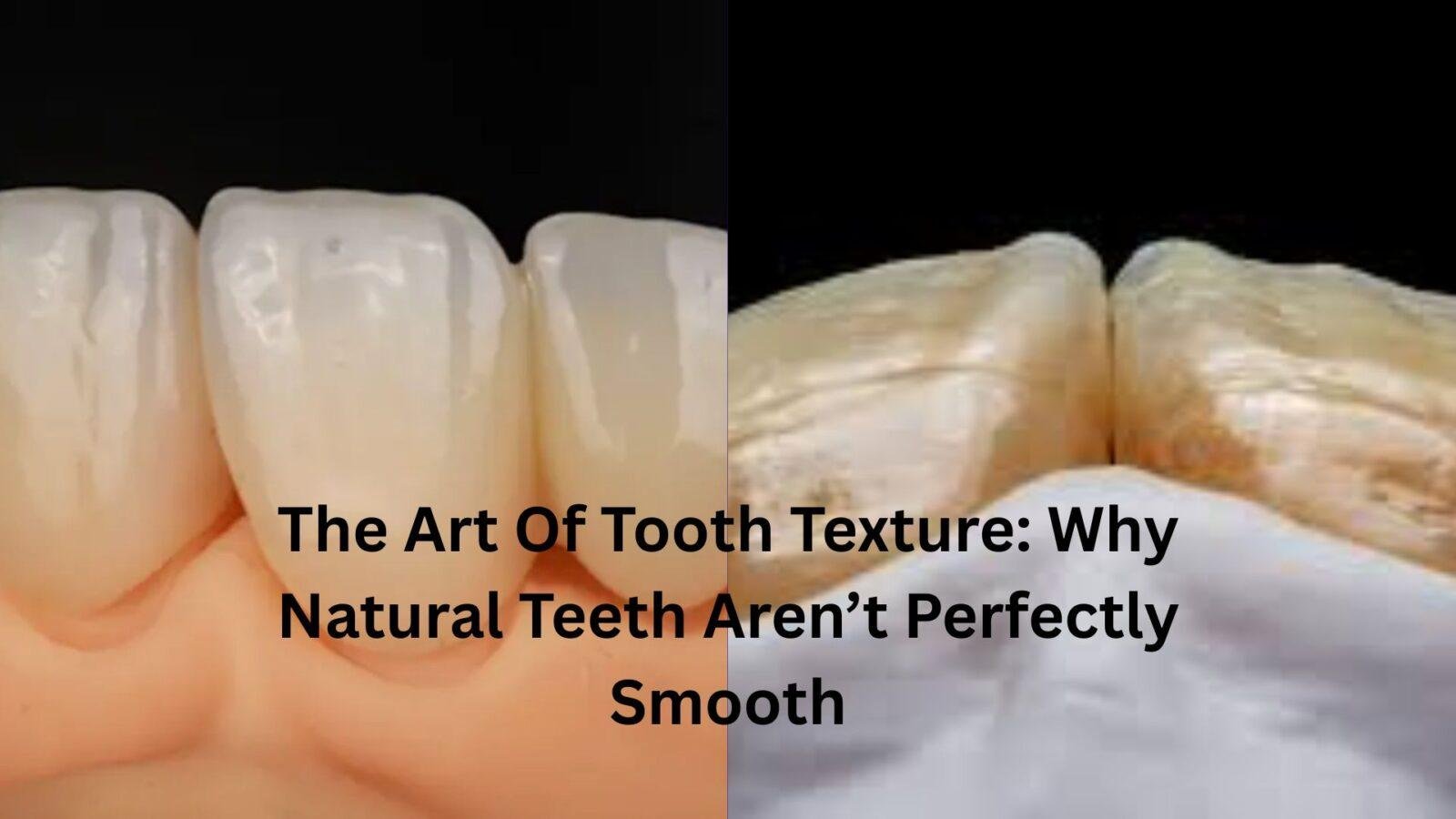
You run your tongue across your teeth and expect a glassy surface. Instead, you feel tiny ridges and bumps that spark quiet worry. You might wonder if you brushed wrong, if something is wrong with your enamel, or if you need a dentist in Los Angeles right away. Here is the truth. Healthy teeth are not perfectly smooth. Nature built them with texture for chewing, gripping food, and guiding your jaw. That roughness also catches light in a way that makes a smile look real. Plastic smooth teeth often look fake. Texture tells a story about age, habits, and health. It can show grinding, past cavities, or gum loss. It can also show strong enamel that has served you for years. When you understand tooth texture, you stop fearing every bump and start seeing what your teeth are trying to say.
What “Normal” Tooth Texture Feels Like
Healthy front teeth feel firm, hard, and slightly uneven. The edges can feel a bit jagged. The back teeth feel lumpy with clear grooves. You may notice three simple things.
- Front teeth have tiny ridges near the gums.
- Biting edges can feel thin or choppy.
- Back teeth feel bumpy with pits and valleys.
The enamel creates this pattern. It is the hardest substance in your body. It grows in layers, which leaves faint lines and ridges. These lines are not cracks. They are normal growth marks.
Why Teeth Need Texture To Work
Teeth are tools. Texture helps them work. Smooth teeth would slip on food. You would struggle to tear and grind. You might bite your cheeks more often. Texture gives grip. It helps you chew without thinking.
Texture also guides the jaw. The way the upper and lower teeth fit together tells the jaw where to stop. This protects the joints and muscles. When the shape or texture changes too much, the jaw can strain. You might feel pain or hear clicking.
Finally, texture helps speech. The tongue touches your teeth to form certain sounds. If the teeth were glassy and flat, those sounds could change. Small ridges support clear speech.
How Tooth Texture Changes Over Time
Tooth texture does not stay the same. It shifts with age, habits, and care. Some changes are expected. Others signal a problem you should not ignore.
Common Tooth Texture Changes Across Life Stages
| Life stage | Typical texture | What it often means |
|---|---|---|
| Child | Very bumpy chewing surfaces. Visible grooves. | New enamel. High risk for food sticking in pits. |
| Teen | Sharp edges on front teeth. Deep grooves in molars. | Little wear. Strong chewing power. |
| Adult | Smoother edges. Some flattened spots on the back teeth. | Normal wear from years of chewing. |
| Older adult | More flat surfaces. Thinner edges. Exposed root texture near gums. | Long-term use. Possible gum loss or root exposure. |
You can read more about tooth structure and enamel from the National Institute of Dental and Craniofacial Research.
When Texture Is Helpful And When It Is Warning You
Some texture is helpful. Some is a warning. You can watch for three simple signs.
- Helpful texture. Gentle ridges. Stable bumps that do not change. No pain.
- Warning texture. Rough spots that catch on your tongue. New sharp edges. Food that packs in one place each day.
- Urgent texture. Crumbling edges. A hole you can feel. A chipped piece that cuts your tongue.
These warning signs can point to early decay, erosion, or cracks. The Centers for Disease Control and Prevention explain how common tooth decay is and why early care matters at this CDC tooth decay overview.
Texture Changes From Everyday Habits
Your daily choices shape how teeth feel. Three common habits change texture fast.
- Grinding or clenching. This can flatten bumps and create sharp chips.
- Frequent sugar and acid. Drinks like soda and juice can erode enamel. The surface can feel chalky or thin.
- Hard brushing. Scrubbing can wear away enamel and gum tissue. Roots can show and feel rough.
You can protect the texture by using a soft toothbrush. You can also limit sugary snacks and see a dentist for a night guard if you grind.
Normal Texture Versus Problem Texture
This simple table can help you compare what you feel.
Normal Texture Compared To Concerning Texture
| Feature | Usually normal | Need to check |
|---|---|---|
| Front tooth edge | Slightly uneven. Thin in some spots. | Sudden chip. Edge that cuts tongue or lip. |
| Back tooth surface | Grooves that stay the same size. | Groove that feels deeper or stickier. |
| Near the gums | Gentle ridge where tooth meets gum. | Notch at the neck of the tooth. Tender to touch. |
| Overall feel | Firm and solid when you tap with a spoon. | Soft spot or crater that feels like a hole. |
How Dentists Read Tooth Texture
During a checkup, the dentist uses sight, touch, and sound. The tool that taps and glides over the surface can feel sticky spots. These can mark early decay or worn enamel. The dentist also checks how your teeth fit together. Uneven texture can show where too much force hits one tooth.
X-rays and small photos help track changes over time. A spot that stays the same is often safe. A spot that grows or crumbles needs care.
How To Care For Natural Tooth Texture
You do not need to polish your teeth flat. You only need to keep the natural texture clean and stable. Three steps help most people.
- Brush twice each day with fluoride toothpaste.
- Clean between teeth with floss or another tool once each day.
- See a dentist for regular exams and cleanings.
These steps remove plaque from grooves and ridges. Fluoride protects the enamel that forms the texture. Regular exams catch changes before they hurt.
When To Seek Help About Texture Changes
Trust your tongue. If something feels new, sharp, or crumbly, call a dentist. Do not wait for pain. Texture often changes before pain starts. Quick care can save more of your natural tooth.
Your teeth do not need to feel like glass to be healthy. Their small bumps and ridges show strength, history, and use. When you respect that natural texture and guard it, you protect your comfort, your bite, and your smile.
