

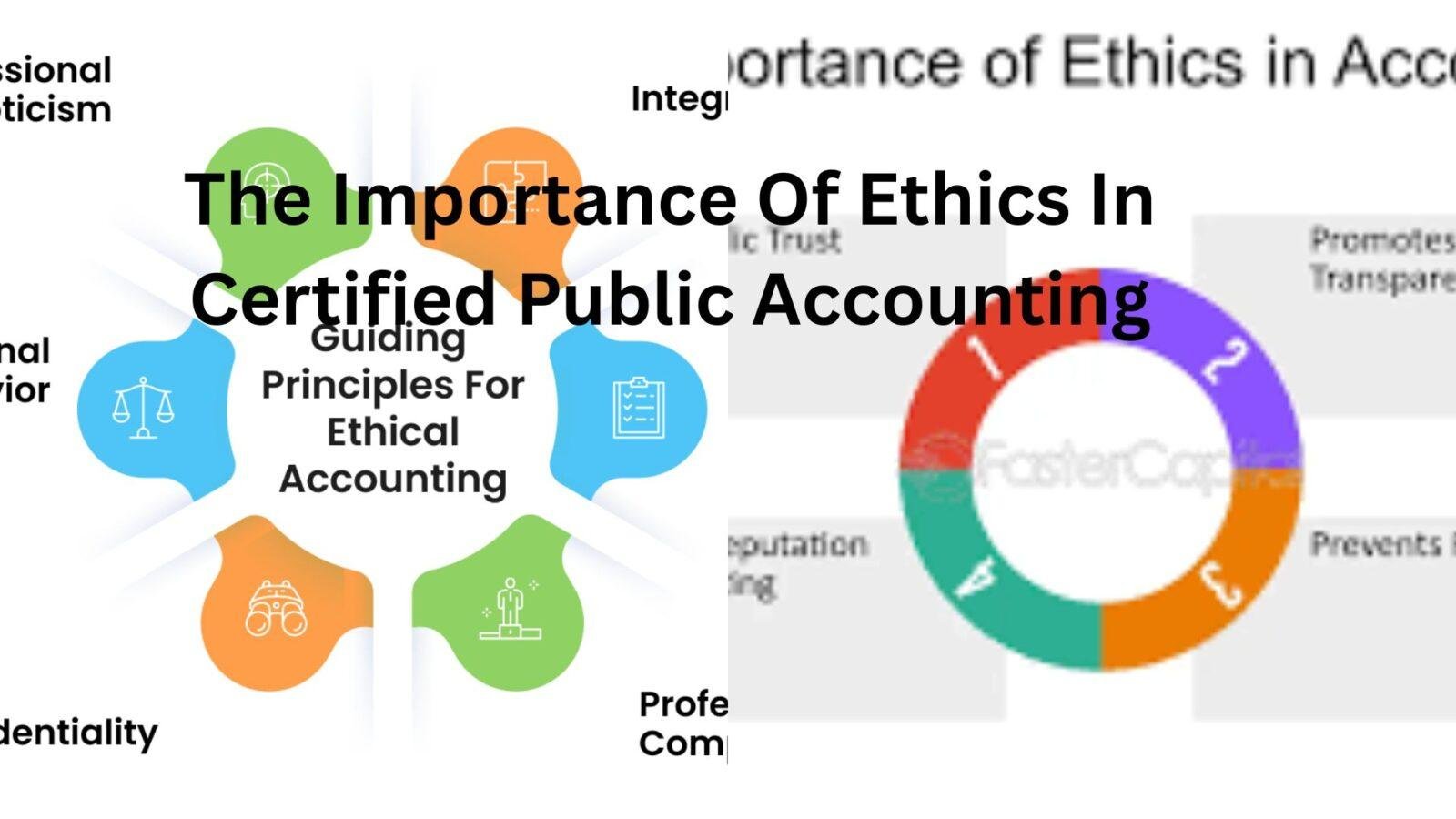
Ethics in certified public accounting protects you, your money, and your trust. When you share bank records, pay stubs, and personal details, you place your future in someone’s hands. A single lie on a report can trigger audits, fines, and criminal charges. It can also destroy a career. So you need to know that your CPA follows clear rules, even when no one is watching. This is true for a large firm in a big city. It is also true for a small office run by a tax accountant in Texarkana, TX. Strong ethics means honest numbers, clear records, and straight answers. It means your CPA refuses shortcuts, even under pressure. It also means they put your interests first, while still following the law. When ethics guide every choice, you gain safety, respect, and peace of mind.
What Ethics Means For You And Your Family
Ethics in accounting is about right and wrong. It is not about fancy rules. It is about simple promises. Your CPA tells the truth. Your CPA obeys the law. Your CPA respects your privacy.
You may never see every step in a tax return or audit. Yet those hidden steps affect your paycheck, your home, and your plans. When a CPA follows strict rules, you get three main protections.
- Your money is handled with care and honesty.
- Your private data stays safe and controlled.
- Your reports match the law and match the facts.
The American Institute of CPAs explains these duties in its Code of Professional Conduct. You can read more at https://us.aicpa.org/.
Core Principles That Guide A CPA
Trust in a CPA rests on three simple ideas. Each one protects you from harm and stress.
- Honesty. Your CPA tells the truth in every report and every talk.
- Objectivity. Your CPA avoids pressure from bosses, clients, and family.
- Confidentiality. Your CPA guards your data and shares it only when the law requires it.
Each choice a CPA makes should pass a clear test. Is it honest? Is it fair? Is it legal? If the answer to any part is no, the CPA must stop and choose a different path.
Why Ethical Lapses Hurt Real People
Unethical acts in accounting do not stay on paper. They hit real people. A false entry to “help” a client can lead to tax bills years later. A shared Social Security number can lead to identity theft. A hidden loan can mislead workers who count on a steady job.
The U.S. Government Accountability Office reports on fraud and abuse in financial reporting. These reports show repeated patterns. A person looks the other way. A small rule gets bent. Pressure grows. Then harm spreads to workers, families, and whole towns. You can see examples at https://www.gao.gov/.
Ethical CPA Versus Unethical CPA
The table below shows clear contrasts. You can use it when you choose a CPA or review your current one.
| Topic | Ethical CPA | Unethical CPA |
|---|---|---|
| Honesty in returns | Reports income and expenses as they are | Hides income or inflates expenses |
| Response to pressure | Says no to requests that break rules | Says yes to “gray” moves to keep a client |
| Data privacy | Limits access to your records | Leaves files open or shares details in casual talk |
| Conflict of interest | Discloses conflicts and steps back when needed | Hides ties to other clients or businesses |
| Contact with you | Explains choices in plain language | Uses confusing terms and avoids hard questions |
| View of the law | Sees the law as a firm line | Sees the law as a tool to twist |
How Ethics Protects Your Children And Future
Ethical accounting does more than keep you out of court. It supports stable homes and stable jobs. When reports are honest, employers can plan. When taxes are correct, public services receive proper funding for schools, roads, and health care.
For a family, that means three clear gains.
- Less fear of surprise bills or audits.
- Clear records if you apply for a mortgage or student loan.
- A steady picture of your finances as you plan for college or retirement.
Each accurate return becomes a piece of proof. Lenders, schools, and agencies use that proof to decide what help and options you receive.
How You Can Check A CPA’s Ethics
You do not need special training to ask hard questions. You can take simple steps before you sign an engagement letter or share a single document.
- Ask how the CPA protects your data. Listen for clear steps, not vague claims.
- Ask what the CPA will do if you request something that bends the rules.
- Ask how the CPA keeps skills and knowledge current.
- Check with your state board of accountancy for any public discipline.
During each meeting, pay attention to three things. Does the CPA explain the law in clear terms? Do they push you to “take chances”? Do they respect your questions? Your instincts matter.
Shared Duty Between You And Your CPA
Ethics in certified public accounting is not only about the CPA. You also play a part. You choose whether to share full records. You choose whether to push for a larger refund at any cost. You choose whether to stay with a CPA who suggests risky moves.
When you insist on honesty, you support your own safety. You also support fair treatment for every taxpayer who follows the rules. That shared duty builds a system that your children can trust.
Ethics in certified public accounting is about steady courage in small choices. Each honest entry, each guarded record, and each hard conversation keeps you and your family safe.
