

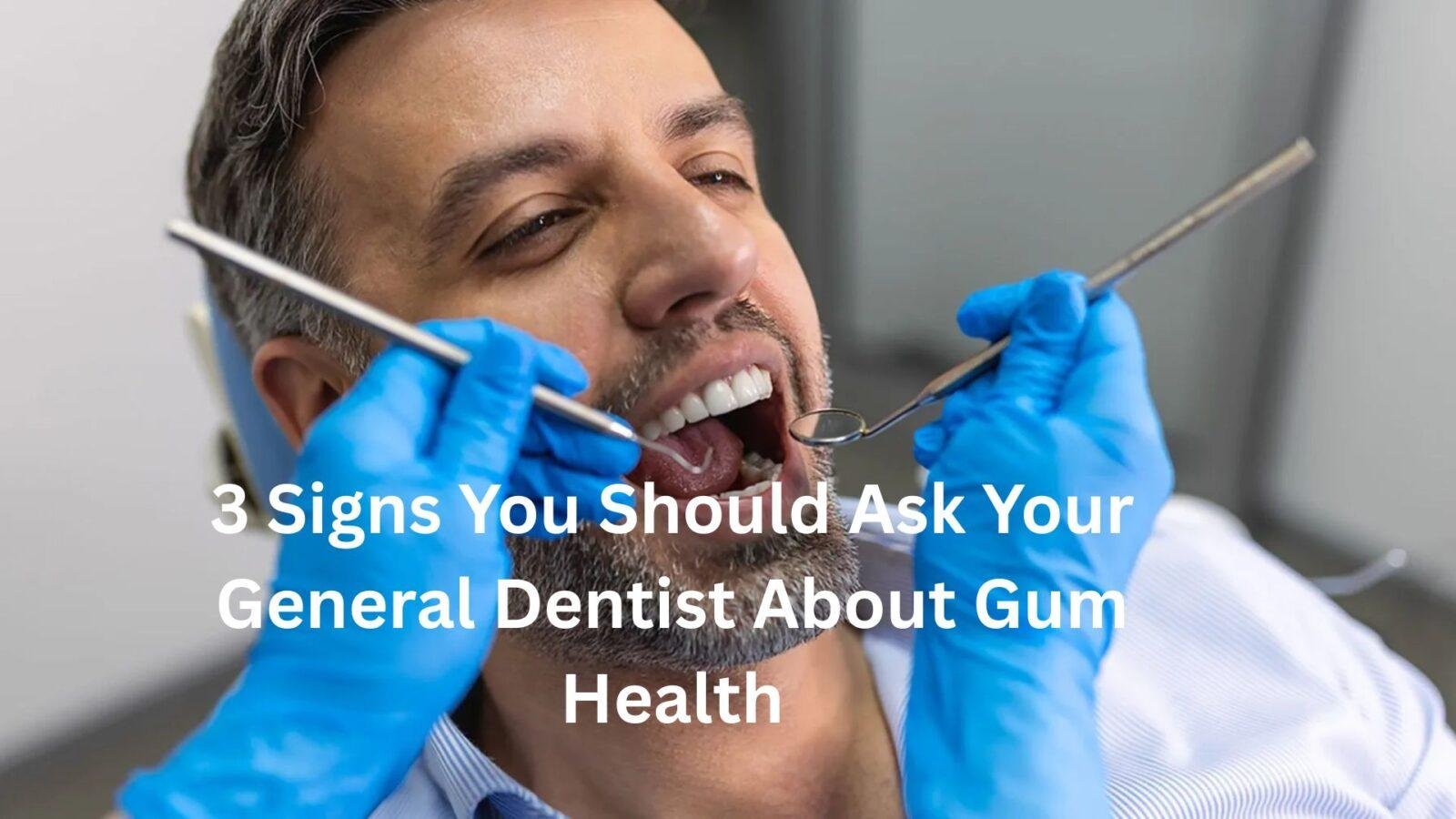
Your gums often stay quiet until real trouble starts. You might focus on clean teeth and fresh breath, but gum health shapes your overall health more than you think. Bleeding, swelling, or loose teeth do not just “happen with age.” They usually signal infection that can spread and destroy bone. Early care is much easier than waiting for pain. Your general dentist can spot small changes that you miss in the mirror. A short talk during a routine visit can protect your smile, your comfort, and your confidence. If you see warning signs at home, you should not wait. Instead, you can bring clear questions to your next checkup. A west Houston dentist will expect these concerns and can guide you through simple steps that fit your daily life. This blog explains three clear signs that it is time to speak up about your gums.
1. Your Gums Bleed, Swell, or Feel Tender
Healthy gums do not bleed when you brush or floss. They do not puff up. They do not feel sore when you chew. If you see pink in the sink, red on your floss, or puffy edges around your teeth, your body is warning you.
Bleeding and swelling often mean your gums are fighting plaque and bacteria. That infection can eat away at the tissue that holds your teeth in place. It can also link with health problems in the rest of your body.
The Centers for Disease Control and Prevention explains that almost half of adults over 30 show signs of gum disease. Many do not know it.
When you notice these changes, you should tell your general dentist right away. You can say exactly what you see at home. You can share:
- How often your gums bleed
- Where the bleeding starts
- If any spots feel sore to touch
Your dentist can check for early gum disease. You might need a deeper cleaning, a change in home care, or closer follow-up. You do not need to wait for pain. You can act when you first see blood.
2. Your Breath Smells Bad Even After Brushing
Short-term bad breath after strong food is normal. Long-term bad breath is different. If your breath smells bad even after brushing, flossing, and using mouthwash, your gums may be the source.
Trapped plaque and bacteria under the gum line can create a strong odor. You cannot scrub that away with more mint. You need your dentist to clean under the gums and break up the sticky film that collects there.
Here is a simple comparison to help you tell normal breath changes from gum-related odor.
| Breath change | More likely normal | More likely gum problem |
|---|---|---|
| When it happens | Right after coffee, garlic, or onions | Most of the day, many days in a row |
| What helps | Brushing and flossing fix it fast | Brushing, flossing, and mouthwash do not fix it |
| Other signs | No bleeding or swelling | Bleeding gums, bad taste, or film on teeth |
| How others react | Few or no comments from others | Family or coworkers avoid close talk |
If you match the gum problem column, you should raise the issue at your next visit. You can ask your dentist to check the pockets around your teeth. You can also ask if any teeth show bone loss on X-rays.
Bad breath from gum disease can damage trust with family and coworkers. It can also signal slow damage to the bone that supports your teeth. Quick action can protect both your health and your daily life.
3. Your Teeth Feel Loose, or Your Bite Feels Different
Teeth should feel steady when you press on them. Your bite should feel the same each day. If a tooth wiggles or your bite changes, your gums and bone may already be breaking down.
You might notice:
- Spaces forming between teeth that used to touch
- Food getting stuck in new spots
- Top and bottom teeth meeting in a new way
- A tooth that feels longer than before
These signs can mean gum disease has moved from the surface into the bone. Infection can eat away at the support around the root. That damage often stays quiet. It may not hurt until late in the process.
You should never ignore a loose tooth as an adult. You can call your dentist and ask for a gum check. You can use clear words like “My tooth feels loose” or “My bite feels off.” That direct language helps your dentist focus on the right tests.
Your dentist may:
- Measure the pockets between your gums and teeth
- Take X rays to look at the bone level
- Review how you brush and floss
With early treatment, many loose teeth can stay in place. Without care, you risk tooth loss and costly work later.
How to Talk With Your General Dentist About Gum Health
You do not need to wait for your dentist to bring up your gums. You can start the talk. You can use three simple steps.
Step 1. List What You Notice
Before your visit, you can write down:
- Bleeding, swelling, or color changes
- Bad breath that does not clear
- Loose teeth or new gaps
You can note how long these signs have been present. You can also note if anyone else has mentioned a smell or change in your smile.
Step 2. Ask Direct Questions
During your visit, you can ask:
- “Do I have any signs of gum disease?”
- “How deep are my gum pockets?”
- “What can I do at home to improve my gums?”
Clear questions show that you take your health seriously. They also help your dentist give direct answers instead of general tips.
Step 3. Agree on a Simple Plan
After the exam, you and your dentist can set a plan. It might include:
- Professional cleaning more than twice a year
- New brushing and flossing steps
- Short follow up visits to track healing
You can ask for written steps to take home. You can also ask when you should call if symptoms change.
Take the First Step Today
Gum disease grows quietly. It often steals comfort, teeth, and confidence before you notice. You do not need to wait for severe pain or swelling. If you see bleeding, smell constant bad breath, or feel loose teeth, you should speak up now.
Your general dentist is trained to catch small gum changes early. With honest talk and simple daily care, you can protect your mouth and your health for years. You deserve steady teeth, clean breath, and calm peace when you smile.