


Choosing the right fire extinguisher for electrical fire risks is a critical part of fire safety planning for UK homes, offices, and commercial premises. Electrical fire incidents are among the most dangerous and unpredictable because they involve live electrical equipment, hidden ignition sources, and the risk of electric shock. Using the wrong extinguisher for electrical fires can make a small incident far worse, putting people, property, and critical electrical assets at serious risk.
Unlike class A fires involving paper or wood, or class B fires involving flammable liquids, an electrical fire is often fuelled by electricity itself. Electricity burning through wiring, electrical appliances, or faulty electrical equipment can reignite even after flames appear to be out. This makes choosing the correct fire extinguisher not just a compliance issue but a life safety decision.
In this guide, we explain why electrical fires are unique, explore common causes, and provide a step-by-step framework to help you select the right fire extinguisher. We also cover fire extinguisher types that are safe for fires involving electrical equipment, including carbon dioxide, dry powder extinguishers, and modern water mist fire suppression systems that use deionised water. Whether you are responsible for domestic premises, office buildings, or specialist environments such as electric vehicle charging areas, this guide will help you make informed decisions.
Why Electrical Fires Are Unique
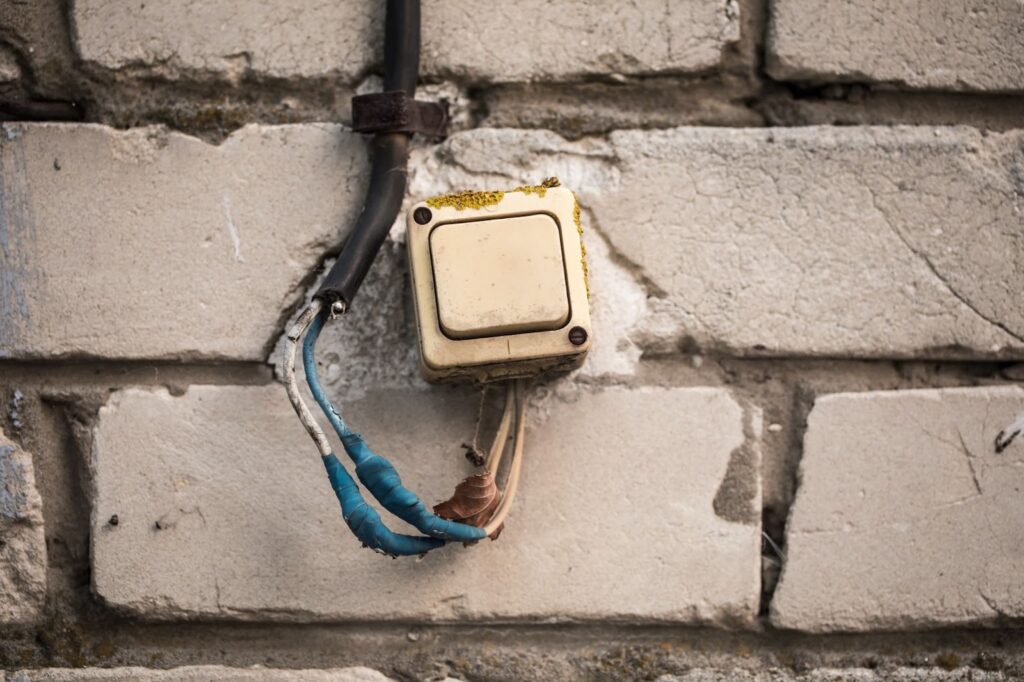
Electrical fires differ from other fire classes because electricity is not a fuel in the traditional sense but an energy source that sustains ignition. Fires involving electrical equipment can occur inside walls, distribution boards, sockets, and electrical items that appear safe from the outside. Unlike flammable liquid fire scenarios or kitchen fires involving cooking oil, electrical fires may not produce visible flames immediately.
One of the biggest dangers is electric shock. Many traditional water-based extinguishers and foam or water extinguisher types conduct electricity. Using a water extinguisher or foam fire extinguishers on live electrical equipment can cause severe injury or death. This is why water fire extinguisher units are clearly labelled as unsuitable for electrical fire extinguishers unless the power supply is isolated.
Electrical fires also present a high risk of re-ignition. Even after flames are suppressed, residual heat within wiring or components can restart the fire if electricity continues to flow. This is especially dangerous in office buildings and domestic premises where electrical systems run behind walls and ceilings.
Another challenge is that electrical fires often overlap with other fire classes. For example, faulty electrical equipment may ignite flammable solids, flammable gases, or flammable liquids nearby. In workshops, electricity burning may trigger fires involving flammable metals or combustible metals. In electric vehicles, lithium battery fires introduce additional hazards that standard portable fire extinguishers are not designed to handle without specialist solutions such as a lithium ex fire extinguisher.
Understanding these unique characteristics is the first step towards choosing a suitable extinguisher that protects people while limiting damage to electrical equipment.
Common Causes of Electrical Fires
Understanding how electrical fires start helps identify the most fire risks and highlights where the correct fire extinguisher and preventative controls are essential.
Faulty Wiring and Aging Electrical Systems
Faulty wiring remains one of the most common fire risks in the UK. Aging electrical systems, particularly in older domestic premises and commercial buildings, may not be designed to handle modern power demands. Insulation breakdown, loose connections, and outdated fuse boards can all lead to electricity burning and fire caused by overheating.
Electrical symbol markings on consumer units and wiring often indicate voltage and load limits. Ignoring these warnings increases the likelihood of fires involving electrical equipment. Over time, degraded wiring can spark, creating an ignition source that spreads quickly through wall cavities.
In many cases, fires begin silently, smouldering behind walls before breaking out. By the time flames are visible, damage is often extensive. Selecting the correct fire extinguisher for electrical fire scenarios is, therefore, a secondary control. The primary defence remains regular electrical inspections and upgrades.
Overloaded Circuits and Power Sockets
Overloaded circuits are another major cause of electrical fire incidents. Plugging too many electrical appliances into a single socket or extension lead can exceed safe load limits, generating heat and sparks. This is especially common in office buildings where multiple computers, chargers, and electrical items run simultaneously.
Overloading can also lead to melting sockets and damaged cables, increasing the risk of electric shock and ignition. In extreme cases, this may escalate into class A fires if nearby materials such as furniture or paper ignite, or class B fires if flammable liquids are present.
Using the right fire extinguisher in these areas is essential. A foam or water extinguisher should never be used on live circuits. Electrical equipment fire extinguishers, such as carbon dioxide or water mist extinguishers, are more appropriate where live electrical equipment cannot be isolated quickly.
Electrical Equipment Failure and Poor Maintenance
Electrical equipment failure is often linked to poor maintenance. Worn components, blocked ventilation, and damaged power cords can all result in overheating and fire caused by electrical faults. Faulty electrical equipment is a common ignition source in kitchens, workshops, and plant rooms.
In commercial environments, neglected maintenance schedules can turn small fires into major incidents. Equipment such as servers, industrial machinery, and electric vehicle charging systems generate significant heat and rely on safe electrical operation.
Fires involving electrical appliances may also combine with other hazards. For example, a fault in kitchen equipment can ignite cooking oil, leading to fat fires or chip pan fires classified as class F fires. While wet chemical extinguishers are suitable for cooking oil fires, they are not appropriate as electrical fire extinguishers unless electricity is isolated.
How to Choose the Best Fire Extinguisher for Electrical Fire
Selecting the right fire extinguisher for electrical fire risks involves assessing hazards, understanding fire classes, and ensuring safety for both people and electrical equipment.
Step 1: Identify Electrical Fire Risks and Locations
The first step in choosing the right fire extinguisher is to assess where electrical fire risks exist. This includes areas with live electrical equipment, such as server rooms, electrical cupboards, workshops, kitchens with electrical appliances, and electric vehicle charging points.
Consider the type of electrical items present, the likelihood of fires involving electrical equipment, and whether power can be isolated quickly. High-risk locations may require specialist solutions beyond standard portable fire extinguishers.
This risk assessment should also consider other fire classes present. For example, offices may involve class A fires from paper, while workshops may involve flammable solids, flammable gases, or flammable liquid fire risks.
Step 2: Choose a Fire Extinguisher Safe for Live Electrical Equipment
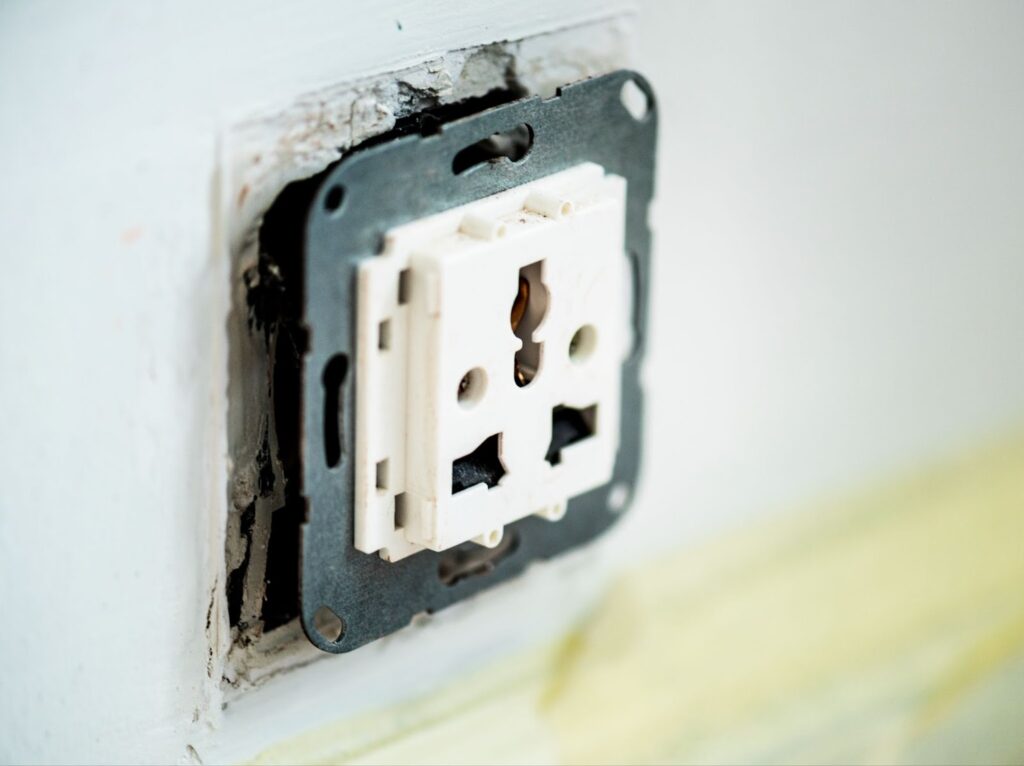
A suitable extinguisher for electrical fires must be safe to use on live electrical equipment. This is critical to prevent electric shock. Electrical fire extinguishers typically use non-conductive extinguishing agent types such as carbon dioxide or dry powder.
CO₂ extinguishers are widely used because carbon dioxide does not conduct electricity and leaves no residue. Dry powder fire extinguisher units are also effective, but they can cause significant residue and damage.
Modern water mist extinguishers use deionised water, which does not conduct electricity when correctly applied. This makes them suitable as an extinguisher for electrical fires while also being effective on class A and class B fires.
Step 3: Assess Potential Damage to Electrical Assets
When selecting a fire extinguisher for electrical fire scenarios, consider the impact on sensitive equipment. Powder extinguishers are effective but can contaminate electrical equipment, leading to long-term damage and downtime.
Carbon dioxide extinguishers minimise damage but may offer limited cooling, increasing the risk of re-ignition. Water mist systems provide cooling and suppression while reducing the risk of electric shock.
Balancing fire suppression effectiveness with asset protection is essential, particularly in office buildings, data centres, and environments with high-value electrical equipment.
Step 4: Ensure Compliance With UK Fire Safety Regulations
Fire safety legislation in the UK requires that the correct fire extinguisher types are provided based on identified fire risks. Employers and building owners must ensure that suitable extinguisher units are available, maintained, and staff are trained in their use.
This includes clear signage, correct labelling with electrical symbol markings, and avoiding unsuitable extinguishers such as water-based extinguishers near live electrical equipment.
Failure to comply can lead to enforcement action by the fire brigade and increased liability following an incident.
Step 5: Match the Fire Protection Solution to the Size of the Space
The size of the area and the scale of potential fires matter. Small fires in domestic premises may be controlled with portable fire extinguishers, while larger spaces may require integrated fire suppression systems.
Water mist fire suppression systems can protect entire rooms or zones, offering automatic response to electrical fire incidents. These systems are particularly effective in spaces where rapid fire breaks are needed to prevent spread.
Step 6: Consider Maintenance, Training, and Long-Term Costs
The right fire extinguisher must be maintained and supported by training. Fire extinguishers work effectively only when users understand their limitations and correct operation.
Consider inspection requirements, servicing costs, and replacement intervals. Systems that are simple to maintain and train staff on often provide better long-term value and reliability.
Types of Fire Extinguishers Safe for Electrical Fires
Not all fire extinguisher types are suitable for fires involving electrical equipment, so it is important to understand which options are safe and effective on live electrical systems.
CO₂ (Carbon Dioxide) Fire Extinguishers
Carbon dioxide fire extinguishers are one of the most common electrical equipment fire extinguishers. CO₂ displaces oxygen, suffocating the fire without conducting electricity. This makes it suitable for fires involving electrical equipment and class B fires involving flammable liquids.
However, CO₂ provides little cooling and may not prevent re-ignition. It is also less effective outdoors or in ventilated spaces. Users must be trained to avoid frost burns and understand the limitations of this type of fire extinguisher.
Dry Powder Fire Extinguishers
Dry powder extinguishers use a powder extinguishing agent that interrupts the chemical reaction of fire. They are effective against electrical fire risks, flammable gases, class A fires, class B fires, and fires involving flammable metals, depending on the powder type.
While highly versatile, powder extinguishers create significant residue and can damage electrical equipment. Cleanup is extensive, and visibility may be reduced during use.
Water Mist Fire Suppression Systems
Water mist extinguishers represent a modern approach to electrical fire safety. Using fine droplets of deionised water, they cool and suppress fire without conducting electricity. This makes them suitable for live electrical equipment and a wide range of fire classes.
Water mist systems are effective on class A, class B, class F fires, and fires involving electrical appliances. They are increasingly used in office buildings, domestic premises, and environments with electric vehicles and lithium battery fires, where traditional extinguishers may be limited.
Maintenance and Servicing Requirements
All fire extinguishers must be inspected regularly to ensure readiness. Visual checks should be carried out monthly, with professional servicing typically required annually. Water mist systems and fixed installations may require additional testing. Inspection ensures that pressure levels, seals, and components are intact and that extinguishers remain suitable for the identified fire risks.
Professional servicing ensures that fire extinguishers and suppression systems perform as intended. This includes checking extinguishing agent integrity, nozzle condition, and signage clarity. Reliable systems reduce the likelihood of failure during emergencies, helping occupants respond quickly or evacuate the building immediately when required.
Conclusion
Choosing the right fire extinguisher for electrical fire risks is about more than ticking a compliance box. It requires a clear understanding of how electrical fires behave, the interaction between different fire classes, and the dangers posed by live electrical equipment. Using the wrong extinguisher can increase the risk of electric shock, re-ignition, and damage to critical electrical assets.
While carbon dioxide and dry powder extinguishers remain common solutions for electrical fire scenarios, modern water mist technology offers a more versatile and damage-limiting approach. By using de-ionised water that does not conduct electricity, water mist systems can safely suppress fires involving electrical equipment while also providing cooling to reduce re-ignition risks. This makes them particularly suitable for office buildings, domestic premises, and environments with high concentrations of electrical items.
For businesses and property owners seeking long-term protection, professionally designed solutions such as water mist sprinkler system installation in Glasgow provide automatic fire suppression that activates before small fires escalate. Many organisations are choosing a water mist fire extinguishing system because it offers effective suppression for fires involving electrical equipment while minimising damage and reducing the risk of re-ignition.
By assessing fire risks properly, selecting a suitable extinguisher, and investing in reliable fire suppression solutions, organisations can protect people, property, and essential electrical systems while meeting UK fire safety requirements with confidence.