

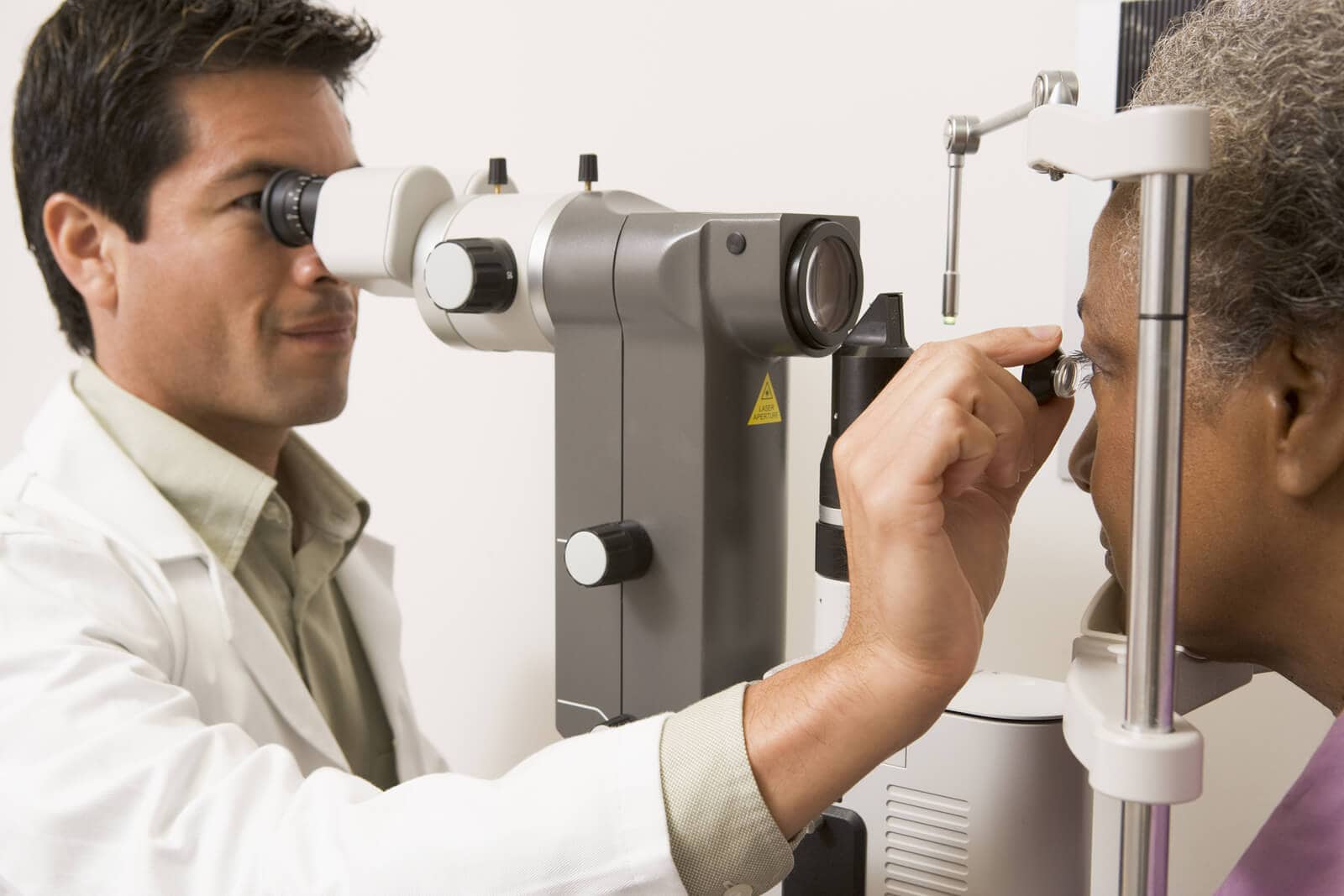
Finding an optician is something most of us do only when we need an eye test, new glasses or help with contact lenses. It can be tempting to simply choose the nearest practice, but not every optician will offer the same experience. A little research beforehand can help you find somewhere that feels right for you and your needs.
Think About What You Need
Before choosing a practice, consider what you are actually looking for. If you only need a routine eye test, most local opticians will be able to help. However, your choice becomes more important if you wear contact lenses, have particular concerns about your eyesight or need advice about choosing new glasses.
Some practices may offer a broader range of services than others. If you have children, for example, you may want an optician that is experienced in working with younger patients. If you wear contact lenses, it is worth checking whether the practice provides fitting and aftercare.
Ask Around and Read Reviews
A recommendation from someone you know can often be more useful than an advertisement. Ask friends, relatives or colleagues about their experiences. They may be able to tell you whether the staff were helpful, whether appointments started on time and whether they felt properly looked after.
Online reviews are useful too for finding an expert eye surgeon, although they should be treated with a little common sense. One unhappy review does not necessarily mean a practice is poor, just as one glowing review does not tell you everything. Look for common themes across a number of reviews.
Check the Legal and Professional Requirements
There is also a legal side to consider when choosing an optician in the UK. Optometrists and dispensing opticians working in Great Britain must be registered with the General Optical Council (GOC). This is the regulator responsible for setting and maintaining professional standards in the optical sector.
It is worth checking that the professional you are seeing is registered and properly qualified. You should also understand the difference between the professionals involved. An optometrist carries out eye examinations and assesses your vision and eye health, while a dispensing optician focuses on supplying and fitting spectacles and other optical appliances.
This may sound like a small detail, but knowing who is responsible for your care can make the whole process clearer. If anything is unclear don’t hesitate to seek professional legal help.
Consider How Convenient It Is
Location matters more than you might expect. If you need regular eye tests or wear glasses that occasionally need adjusting, having a practice that is easy to reach can save a lot of hassle.
Look at the opening hours as well. A practice that offers evening or weekend appointments may be a better fit if you have a busy working schedule. It is also worth checking whether appointments can be booked online or by telephone, depending on what you prefer.
See How You Feel During Your Appointment
Your appointment is a good opportunity to decide whether an optician is right for you. You should have enough time to explain any problems you have noticed with your eyesight and ask questions without feeling as though you are being hurried along.
Pay attention to how clearly things are explained. Eye tests and prescriptions can involve terminology that is unfamiliar to most people, so a good optician should be willing to explain things in plain English.
The same applies when choosing glasses or contact lenses. You should be given useful advice without feeling pressured into buying something you do not want.
Look Beyond the Price
Cost will naturally play a part in your decision, particularly when you are buying new glasses. However, the cheapest option is not always the best value.
When comparing practices, find out exactly what you are paying for. Look at the cost of the eye test, frames and lenses, as well as any additional services you might need. Ask about things such as lens coatings, adjustments and aftercare before making a decision.
A good optician should provide clear information about prices, giving you a chance to decide what works for both your eyesight and your budget.