

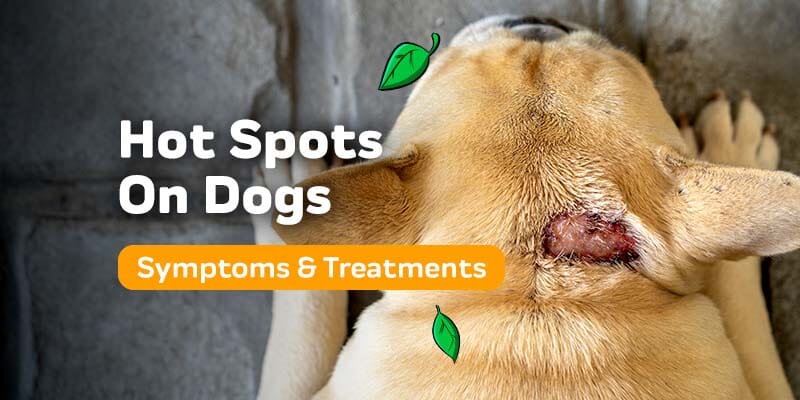
Tuesday night, your Golden Retriever is fine. Wednesday morning she’s hunched over her own hip, licking with the focus of a dog who has found a life’s calling, and when you part the fur there it is: a wet, red, weeping patch the size of a silver dollar, hair stuck to it in slimy clumps, with a faint sour smell you can catch from a foot away. By dinner it’s the size of a coaster. So you do what everyone does. You open a cabinet. Coconut oil? The apple cider vinegar half the internet swears by? That tube of hydrocortisone from your own medicine drawer?
I’ve watched all three of those choices make a hot spot worse. Here’s the honest ranking, and what a groomer or vet tech would actually reach for instead.
The Short Answer
- Apple cider vinegar: no. It’s acid on an open wound. It burns, your dog licks harder, the spot grows.
- Coconut oil: no. A hot spot is already too moist. Oil seals in the dampness and feeds the bacterial party.
- Hydrocortisone: not from your medicine cabinet. Dogs lick it off and swallow it, and human formulas carry additives never meant to be eaten. Vet-prescribed steroid sprays are a different story.
- What works: clip the fur, clean with dilute chlorhexidine or saline, dry it completely, block the licking with a cone, and call the vet if it’s spreading, smelly, or not clearly better in 48 hours.
Why the Cabinet Cures Backfire
A hot spot, or acute moist dermatitis as veterinary dermatologists describe it, is a patch of self-inflicted trauma: something itched, the dog chewed, the broken skin got wet and warm, and surface bacteria multiplied in that damp little greenhouse. These lesions can double in size within hours. Everything you put on one should be judged against that picture: broken skin, excess moisture, active bacteria, and a tongue that returns every ninety seconds.
Apple cider vinegar fails on the first count. Whatever mild antibacterial merit dilute ACV has on intact skin, on raw skin it’s simply an acid. It stings the way lemon juice stings a paper cut, except the paper cut is palm-sized and the patient responds to pain by chewing. Every chew re-injures the skin and resets healing to zero. I see this mistake constantly, usually from owners who liked ACV as an itchy-skin rinse and assumed a sore was just more itch. It isn’t.
Coconut oil fails on the moisture count. It’s a reasonable moisturizer for dry, flaky elbows. But a hot spot is drowning, not parched. Smearing an occlusive oil over it traps exudate against the skin, keeps the surface soggy, and gives bacteria exactly the warm, airless environment they were already enjoying. The greasy film also glues surrounding fur into the wound. Hot spots heal by drying out. Oil is the opposite of drying out.
Human hydrocortisone cream is the most tempting because it genuinely does reduce itch. Three problems. Anything on a dog’s skin ends up in the dog’s stomach, and repeat-dosing a steroid by tongue is not a plan any vet signs off on. Many human tubes also bundle in fragrances, analgesics, or zinc, none of which belong in a digestive tract. And a cream sitting on a moist lesion under fur mostly just adds another wet layer. When a hot spot warrants a steroid, vets typically use a drying topical spray or an oral dose they can actually control. That’s their call, not the medicine drawer’s.
While we’re at it: no dish soap, no human shampoo, no hydrogen peroxide, no rubbing alcohol. Dog skin runs a different pH than ours, and peroxide and alcohol damage the very tissue trying to regrow.
What to Actually Do, Step by Step
For a small, shallow spot you caught early, this is the routine. Budget twenty minutes and expect zero cooperation.
- 1. Clip the fur. Use clippers or blunt-nosed scissors to trim a border of about an inch of bare skin all the way around the lesion. This is the step people skip and the step that matters most. Fur traps moisture and hides the true edges; nearly every hot spot is bigger than it looks before clipping. Fair warning: hot spots hurt, and even sweet dogs snap. If yours won’t tolerate clipping, a muzzle or the vet’s help beats a bitten hand.
- 2. Clean it. Flush with cool saline or lukewarm water, or wipe outward from the center with a dilute chlorhexidine solution on gauze. Cool to lukewarm only; hot water inflames the area further. Pat, never scrub. You’re floating off crust and discharge, not sanding the wound.
- 3. Dry it completely. Air-dry, or pat with a clean towel. Skip ointments, balms, and salves entirely unless your vet hands you one. Dry, open air is the treatment.
- 4. Break the licking cycle. A cone or inflatable collar, worn full-time until the spot scabs and the scab flakes off. The itch-scratch cycle is the entire engine of a hot spot; stop the tongue and most shallow lesions look dramatically better within 3 to 7 days.
- 5. Repeat cleaning twice daily until the skin is dry, pink, and quiet, then once daily until fur starts returning.
Check the spot morning and evening; a mild lesion should look calmer each day. Treat “48 hours, no clear improvement” as your hard deadline for calling the vet.
Fixing Whatever Started It
A hot spot is a symptom wearing a disguise. Fleas are the classic trigger, especially spots over the rump and tail base. Ear infections drive spots on the cheek and neck. Allergies, matted coats, and anal gland trouble round out the usual suspects. And thick-coated water lovers — Goldens, Labs, Newfoundlands, German Shepherds, Saint Bernards — are the repeat offenders, because a dense double coat that stays damp after a swim is a hot spot incubator. If your dog swims in July, towel hard and dry down to the skin, not just the top coat.
Grooming is genuinely preventive here: regular brushing to strip out undercoat, mats dealt with before they trap moisture, and baths with something formulated for irritated canine skin rather than whatever’s on the shower shelf. If you want help choosing, this comparison of hot spot shampoo for dogs walks through gentle, vet-friendly options so you’re not guessing in the pet-store aisle mid-flare.
When It’s a Vet Problem, Full Stop
Skip home care and book an appointment if the spot is larger than your palm, deep or bleeding, oozing thick yellow-green discharge, or foul-smelling; if your dog is feverish, lethargic, off food, or too painful to let you near it; if it sits near an eye or inside a skin fold; or if this is the second or third hot spot in a few months. Recurrence means an underlying cause nobody has treated yet, and a vet can chase down the flea, allergy, or ear problem behind it. Deeper infections need prescription antibiotics, and no amount of chlorhexidine will substitute.
FAQ
Can I use Neosporin on my dog’s hot spot?
Skip it. Like coconut oil, an ointment keeps the lesion greasy and moist when it needs to dry, and dogs promptly lick it off anyway. If the spot looks infected enough to need an antibiotic, it needs a vet-chosen one, usually oral.
How long does a hot spot take to heal?
A shallow spot that’s clipped, cleaned, and protected from licking typically settles in about a week, with fur regrowing over the following few weeks. If it looks no better after two days, or is spreading at all, stop waiting and call the vet.
Will a hot spot heal on its own if my dog leaves it alone?
That’s the catch: dogs don’t leave them alone. Hot spots exist because licking feels irresistible, so “wait and see” almost always means “watch it double.” Clip, clean, cone. Small spots managed that way often resolve without a clinic visit; ignored ones rarely do.
The Bottom Line
Put down the vinegar, cap the coconut oil, and leave the hydrocortisone for your own mosquito bites. Clip the fur, clean gently, dry thoroughly, cone the dog, and give it 48 hours to prove it’s improving. Anything bigger, smellier, or more stubborn than that earns a vet visit, and so does any dog making a habit of these. Hot spots arrive fast. Treated right, they leave nearly as fast.