

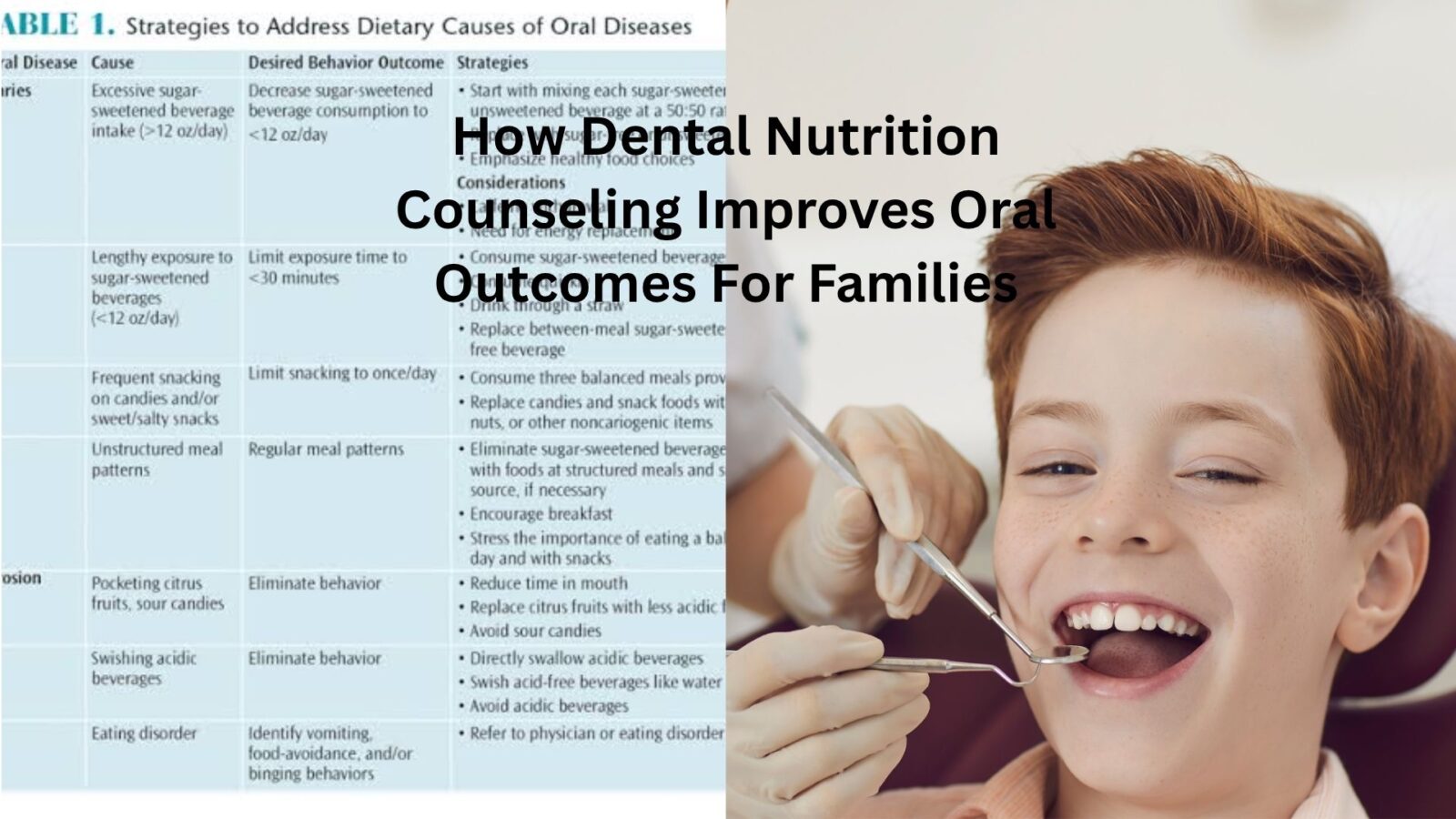
Healthy teeth start with what you eat. Dental nutrition counseling helps you see that connection in clear, simple steps. You learn how daily food choices shape your gums, enamel, and your child’s growing smile. This guidance is not a diet trend. It is steady support that cuts sugar damage, reduces cavities, and calms gum bleeding. A family dentist in Spring Hill, FL can use nutrition counseling to spot hidden risks, like constant snacking or sugary drinks, before they turn into pain. Then you get a clear plan. You know what to pack in lunchboxes, what to serve at dinner, and what to skip at bedtime. This support helps you protect baby teeth, braces, and aging teeth with the same care. Over time, your family spends less time in the dental chair for emergencies and more time keeping strong, steady oral health.
What Dental Nutrition Counseling Really Does
Dental nutrition counseling is a focused talk about food and drink. You and your dentist look at what you eat, how often you eat, and when you eat.
You walk away with three things.
- A clear picture of how food affects cavities and gum health
- Simple changes that fit your routine at home and school
- Support to keep those changes going
Research from the Centers for Disease Control and Prevention shows that frequent sugar and starch exposure raises cavity risk. Counseling turns that fact into steps your family can actually use.
How Food Choices Shape Oral Health
Every snack and sip touches your teeth. Some choices help. Others cause slow damage that builds over years.
Three habits raise the most concern.
- Sipping sweet drinks over long periods
- Sticky snacks that cling to teeth
- Constant grazing between meals
When you eat or drink sugar, mouth bacteria turn it into acid. That acid weakens enamel. If this happens many times each day, enamel does not recover. Then tiny weak spots grow into cavities.
On the other hand, water, whole fruits, and foods rich in calcium support stronger enamel and calmer gums. Counseling helps you tilt daily choices toward support instead of damage.
Comparing Common Family Drinks
Drinks are one of the fastest ways sugar reaches teeth. The table below shows how different choices affect your mouth. Values are typical examples. They may vary by brand.
| Drink | Approximate Sugar per 12 oz | Typical Acid Level (pH) | Effect on Teeth |
|---|---|---|---|
| Regular soda | ~39 grams | ~2.5 | Strong sugar hit and strong acid. High cavity risk. |
| Fruit punch drink | ~30 grams | ~3.0 | High sugar. Often seen as “juice” but still risky. |
| 100% fruit juice | ~30 grams | ~3.5 | Natural sugar. Still raises cavity risk if sipped often. |
| Sports drink | ~21 grams | ~3.0 | Acidic with sugar. Risky for teen athletes who sip all day. |
| Chocolate milk | ~25 grams | ~6.5 | Sugar present. Calcium helps. Best with meals, not at bedtime. |
| Plain milk | ~12 grams (natural) | ~6.7 | Supports teeth when used with meals. |
| Fluoridated tap water | 0 grams | ~7.0 | Helps rinse food, neutralize acid, and strengthen enamel. |
The National Institute of Dental and Craniofacial Research explains that fluoridated water protects against tooth decay. Counseling helps you use water as your family’s main drink, not the last resort.
How Counseling Helps Children, Teens, And Adults
Each age group faces different pressures. Nutrition counseling adjusts advice for each stage so no one feels left out.
Young children
- Help you move from bottles and sippy cups to open cups
- Plan snack times instead of all day grazing
- Pick tooth friendly treats for school and daycare
School age children
- Guide lunchbox choices that fill them up and protect teeth
- Limit sticky candies and fruit snacks without harsh rules
- Teach kids to drink water after sweet treats
Teens
- Address energy drinks, soda, sports drinks, and coffee habits
- Support braces care with easy snack swaps
- Respect their wish for independence while protecting health
Adults and older adults
- Adjust food choices for dry mouth from medicines
- Protect fillings, crowns, and implants with less sugar
- Plan softer yet tooth friendly foods when chewing is hard
Turning Advice Into Daily Habits
Good plans fail when they feel too hard. Dental nutrition counseling keeps changes small, clear, and steady.
You might focus on three steps at first.
- Replace one sugary drink each day with fluoridated water
- Limit snacks to two or three set times instead of all day
- Add one tooth friendly snack, such as cheese, nuts, or crunchy veggies
At your next visit, you and your dentist review what worked and what did not. Then you adjust. That steady rhythm builds habits that last for years.
What To Expect During A Counseling Visit
You can expect a calm, private talk. No blame. No shame. Just clear facts and help.
The visit often includes three steps.
- Review a short food and drink log for you or your child
- Match your habits with your current oral health
- Choose two or three changes that feel realistic
Your dentist may give printed handouts, sample snack lists, or simple charts for your fridge. Children often like sticker charts that reward water or tooth friendly snacks.
Why This Matters For The Whole Family
When one person in the home changes habits, everyone feels it. Dental nutrition counseling gives your family a shared plan instead of mixed messages.
You gain three long term benefits.
- Fewer cavities and less pain across all ages
- Lower surprise costs from urgent visits
- More control over your health story, one meal at a time
Food choices reach farther than your mouth. They shape overall health, energy, and mood. By using dental nutrition counseling, you protect your family’s teeth and support a calmer, stronger daily life.