

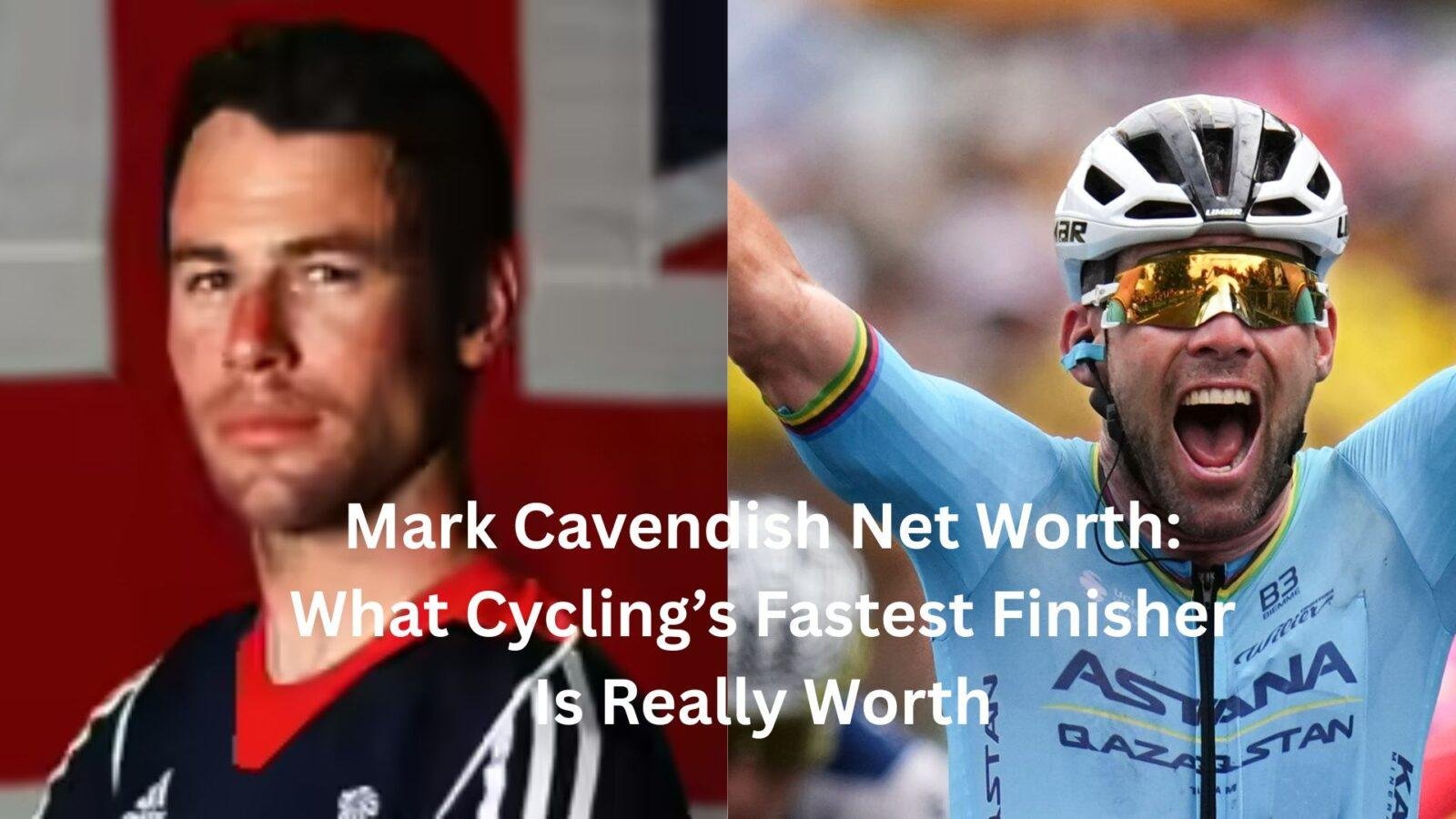
Mark Cavendish isn’t just another professional cyclist with a few trophies on the shelf. He’s the guy who turned sprinting into theater. Blink, and he’s already across the line, arms up, jaw tight, adrenaline still buzzing. So when people ask about Mark Cavendish’s net worth, they’re really asking something bigger: how much is a career built on speed, risk, and relentless comeback stories actually worth?
The short answer? Estimates usually land somewhere between $10 million and $15 million. But that number doesn’t tell the whole story—not even close.
Where the Money Actually Comes From
Let’s get one thing straight: pro cycling doesn’t pay like football or basketball. Even the biggest stars aren’t pulling in absurd weekly wages. Cavendish made his money the hard way—through contracts, wins, endorsements, and longevity.
At his peak, he was earning a reported salary in the ballpark of $2–3 million a year. That’s solid money, especially in cycling. But it’s not just about the base salary. Wins matter. Big races come with bonuses, and Cavendish has won plenty—especially stages in the Tour de France, where each victory brings both cash and visibility.
Then there’s the long game. Cavendish didn’t just show up for a couple of seasons and fade out. He stayed relevant for over a decade, which is rare in a sport that chews people up physically and mentally. That kind of staying power adds up financially.
The Tour de France Effect
Here’s the thing about the Tour de France—it’s not just a race. It’s a global stage. And Cavendish owned that stage more than most sprinters ever will.
With a record number of stage wins, he became a household name, even outside hardcore cycling circles. That matters. Sponsors love visibility, and Cavendish brought it in spades.
Imagine a brand deciding between two riders. One wins occasionally. The other wins on the biggest stage in the sport, again and again, with millions watching. It’s not a hard choice. Cavendish became that second rider.
Those Tour wins didn’t just bring prize money. They unlocked endorsement deals, appearance fees, and long-term partnerships. That’s where a big chunk of his net worth quietly builds over time.
Endorsements and Brand Deals
Cavendish has worked with some of the biggest names in cycling and sportswear. Think Specialized, Nike (earlier in his career), Oakley, and others. These deals aren’t always public in terms of exact figures, but they’re significant.
And it’s not just slapping a logo on a jersey. Cavendish had a recognizable personality—intense, sometimes controversial, always passionate. Brands lean into that. It makes him more than just an athlete; it makes him marketable.
There’s also product collaboration. Custom bikes, signature gear, limited-edition releases—these things create additional revenue streams. If you’ve ever seen a Cavendish-branded bike sell out quickly, you get the idea.
Career Ups and Downs (And Why They Matter Financially)
Now, here’s where it gets interesting. Cavendish’s career wasn’t a straight line upward. Not even close.
He had dominant years where he seemed unbeatable. Then came the struggles—injuries, illness, loss of form. There were seasons where people genuinely thought he was done.
That kind of volatility can hurt earnings. Contracts get smaller. Sponsorships get cautious. Teams start looking at younger riders.
But Cavendish did something not many athletes manage: he came back. And not quietly, either. His resurgence—especially that emotional return to Tour de France stage wins later in his career—reignited interest in him.
From a financial standpoint, that comeback was huge. It restored his value, brought back sponsorship opportunities, and extended his earning window.
It’s a bit like a veteran actor landing a surprise hit after years out of the spotlight. Suddenly, everyone wants a piece of that story again.
Lifestyle: Flashy or Grounded?
You might expect someone with Cavendish’s success to live a flashy, over-the-top lifestyle. But that’s not really his vibe.
Sure, he’s earned enough to live comfortably. Nice homes, good travel, quality gear—it’s all there. But he’s never been known for wild spending or headline-grabbing purchases.
That actually matters when you’re thinking about net worth. It’s not just what you earn; it’s what you keep.
Cavendish has a family and has often spoken about balancing racing with personal life. That tends to anchor spending habits. You’re less likely to blow millions on impulse buys when your priorities shift.
Longevity: The Quiet Wealth Builder
If there’s one underrated factor in Cavendish’s net worth, it’s longevity.
A rider who burns bright for three years might make quick money, but it doesn’t last. Cavendish stretched his career across different teams, different eras of cycling, and different physical phases.
He adapted. That’s the key.
Early on, it was raw speed and aggression. Later, it became experience, positioning, and race intelligence. That evolution kept him competitive—and employable.
Each extra season meant another contract, another chance at bonuses, another round of endorsements. Over time, that compounds into real wealth.
Beyond Racing: Media and Appearances
Cavendish hasn’t just stuck to racing. He’s dipped into media appearances, interviews, documentaries, and public speaking.
Cycling fans love behind-the-scenes insight, especially from someone who’s been at the top. Cavendish can tell stories that few others can—about pressure, rivalry, and the mental side of elite sport.
These appearances don’t always make headlines, but they bring in income. And more importantly, they keep his profile alive even when he’s not winning races.
Think of it like a second layer of career income—less intense than racing, but still valuable.
Comparing Cavendish to Other Cyclists
Let’s be honest—cycling isn’t the richest sport out there. Even the biggest names don’t usually hit the kind of net worth you see in global football stars or NBA players.
That said, Cavendish sits comfortably among the higher earners in cycling history. Riders like Chris Froome or Tadej Pogačar might command higher peak salaries in certain periods, but Cavendish’s long career and commercial appeal give him an edge in cumulative earnings.
He’s not just a champion; he’s a brand. That distinction matters when you’re talking about net worth.
The Emotional Factor (Yes, It Matters)
Money is one thing. Legacy is another. And Cavendish’s story adds a layer that you can’t really quantify but still influences his financial value.
Fans connect with him. They’ve seen the highs, the crashes, the doubts, the comebacks. That emotional connection makes people more likely to follow him, support his sponsors, and engage with his projects.
It’s subtle, but powerful. Brands pay for that kind of connection.
You could have two athletes with similar results. The one with the better story often ends up more valuable commercially. Cavendish has one of the best stories in modern cycling.
So, What Is Mark Cavendish Really Worth?
If you’re looking for a clean number, that $10–15 million estimate is a reasonable ballpark. It reflects his earnings from racing, endorsements, and extended career presence.
But the real answer is more layered.
He’s built wealth through consistency, not just peak moments. Through resilience, not just talent. Through personality, not just performance.
And that combination is rare.
Final Thoughts
Mark Cavendish’s net worth isn’t just a figure—it’s a reflection of a career that refused to follow a simple script. He dominated, struggled, disappeared from the spotlight, and then came roaring back when most people had already written him off.
That kind of journey doesn’t just build a bank balance. It builds lasting value.
If you strip it down, Cavendish made his money the same way he won his races: timing, instinct, and a willingness to push through when things got tough. The numbers are impressive, sure. But the path he took to get there is what really stands out.